Understanding the Serious Injury Threshold in NYC No-Fault Cases
Approximately 30% of New York car accident claims are denied due to the serious injury threshold. Learn how this law impacts your right to sue for pain and suffering.
Home / Blog
Approximately 30% of New York car accident claims are denied due to the serious injury threshold. Learn how this law impacts your right to sue for pain and suffering.
A pothole accident lawyer NYC can help navigate the complex 90-day claim deadline. Protect your rights after vehicle damage. (141 chars)
An incomplete report can delay 25% of car accident claims. See how NYPD policy changes affect your NYC injury compensation.
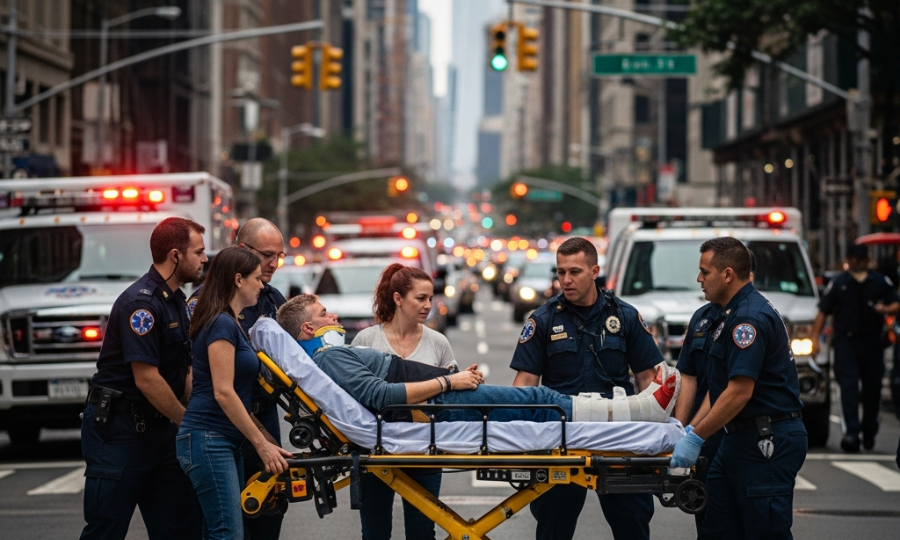
You’ve just been in a car accident in New York. The initial shock gives way to pain, mounting medical bills, and lost time from work. You might be thinking, “My insurance will cover this, right?” While New York’s no-fault system is designed to provide quick access to medical care and lost wages, here’s the thing: it doesn’t automatically cover everything, especially compensation for pain and suffering. For that, you’ll need to navigate a critical legal hurdle known as the “serious injury” threshold. And trust me, understanding it is absolutely essential for your car accident settlement. It’s a concept that often confuses accident victims, leaving them
Imagine this: You’ve been through a challenging accident in bustling New York City, navigated the immediate aftermath, and meticulously filed your personal injury claim. You’re hoping for some relief, for a fair resolution. Then, the letter arrives. “Claim Denied.” It’s a gut punch, isn’t it? That feeling of frustration, maybe even helplessness, is completely understandable. But here’s the thing: a denial isn’t necessarily the final word. In many cases, it’s just the beginning of the next phase. Mastering the accident claim appeal process in NYC can feel daunting, but with the right approach, you absolutely can turn that ‘no’ into a ‘yes’. We’re here to
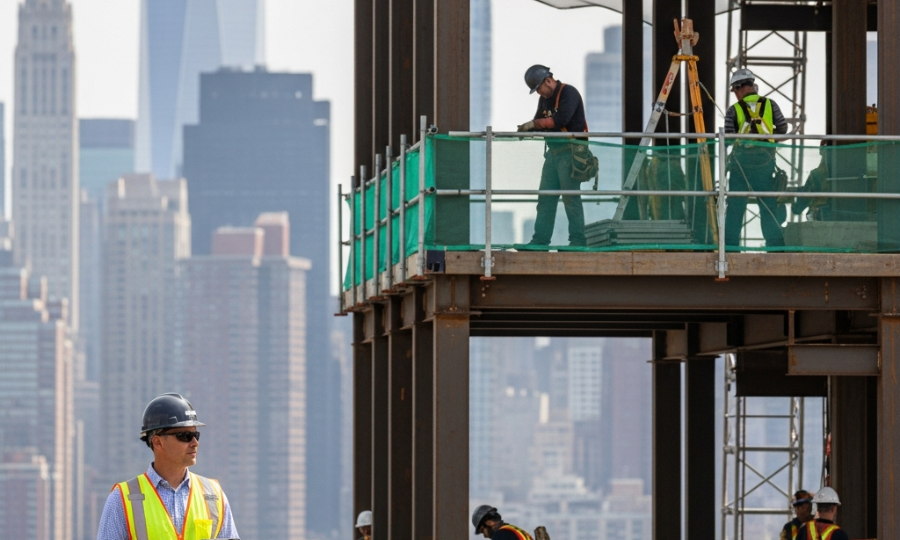
Imagine you’re on a Brooklyn construction site, high up on scaffolding, feeling the rumble of the city below. Suddenly, a plank shifts, or a safety rail gives way. Or perhaps, you’re working below, and a tool drops from above, hitting you. What happens next? For construction workers in New York City, injuries from falls or falling objects aren’t just accidents; they often fall under the unique and powerful protections of New York Labor Law 240, famously known as the Scaffold Law. And as we look towards 2026, this critical statute continues to be a cornerstone of worker safety, especially here in Brooklyn. You might be
Imagine waking up to a fresh blanket of snow in New York City – beautiful, right? For many property owners, that picturesque scene quickly turns into a race against the clock. What you might not realize is just how strict New York City’s snow and ice removal laws truly are, especially that often-misunderstood 4-hour rule. It’s not just about shoveling; it’s about understanding precise legal timelines that can make all the difference in a potential slip-and-fall injury claim. We know this can feel overwhelming, especially with unpredictable winter weather. You’re probably thinking, “I always clear my sidewalk, isn’t that enough?” The truth is, the details
Winter in New York City brings a certain charm, doesn’t it? Twinkling lights, cozy cafes… and the ever-present, insidious threat of black ice. This isn’t just a minor inconvenience; it’s a particularly treacherous hazard that can turn a routine walk into a serious injury in an instant. Here’s the thing: while black ice is often invisible, the liability for accidents it causes isn’t always hidden. You might wonder, how can a property owner be held responsible for something so difficult to spot? The truth is, in many cases, they absolutely can be, and understanding this is crucial for both property owners and those who might
Remember the ‘Blizzard of 2026’? Even though it’s a hypothetical storm for now, the threat of such an event, and the city’s response to recent major snowfalls, has dramatically reshaped what it means to own property in New York City. We’ve all felt that familiar dread when the snow starts falling, knowing it means more than just a picturesque winter wonderland. But for property owners, that dread now comes with a heavier weight: escalating sidewalk liability and the city’s heightened enforcement of snow and ice removal regulations. It’s not just about a clean sidewalk anymore; it’s about avoiding hefty fines and potential lawsuits. The Shifting
Ever felt that sudden rush of an e-scooter zipping past on a crowded sidewalk, or perhaps witnessed an e-bike delivery rider expertly (or precariously) weaving through traffic? It’s a scene playing out daily across New York City, and while micro-mobility offers undeniable convenience, it’s also brought a dramatic surge in accidents and injuries. For many, navigating our vibrant, bustling streets now feels more unpredictable than ever, especially for pedestrians and traditional cyclists. The truth is, the rise of e-scooters and e-bikes has created a new frontier in personal injury law. We’re seeing more and more severe injuries, from broken bones and head trauma to complex