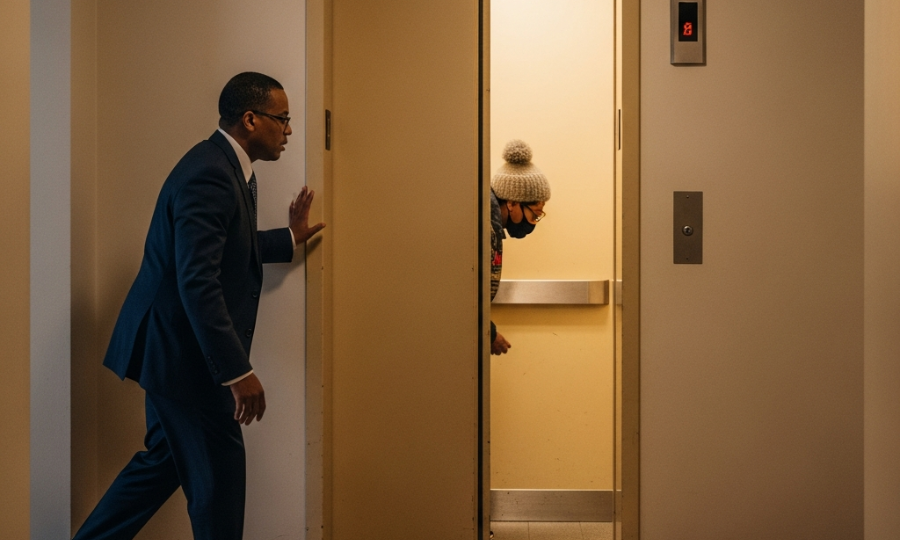
Every day, over 84,000 elevators transport millions of people across New York City. Unfortunately, these essential machines can malfunction, causing serious injuries. An unexpected elevator accident can turn your life upside down. Many victims face significant medical bills, lost wages, and lasting pain. Navigating the aftermath requires a clear understanding of your rights. Therefore, consulting an experienced NYC elevator accident lawyer becomes a crucial first step.
Key Takeaways
- Over 84,000 elevators operate in New York City, each governed by strict NYC Department of Buildings (DOB) regulations.
- Most elevator accident victims have a three-year statute of limitations to file a personal injury lawsuit in New York, but claims against government entities have much shorter deadlines.
- Key evidence for an elevator injury claim includes incident reports, maintenance logs, inspection reports, and comprehensive medical records.
- Victims can seek compensation for economic damages like medical bills and lost wages, as well as non-economic damages such as pain and suffering.
Understanding New York City’s Elevator Safety Rules
New York City imposes stringent regulations on elevator maintenance and operation. These rules protect residents and visitors from preventable harm. The NYC Department of Buildings (DOB) oversees all elevator installations, inspections, and repairs. Property owners and managers must adhere to these strict codes. Failure to comply often leads to accidents and injuries.
Also, federal and state laws also apply. The American Society of Mechanical Engineers (ASME) A17.1 Safety Code for Elevators and Escalators provides national standards. New York City adopts many of these standards into its local building codes. Building owners must ensure their elevators receive regular inspections. They must also perform timely maintenance. Consequently, any lapse in these duties can constitute negligence.
Key Regulations and Inspections in NYC
NYC law mandates specific inspection schedules. Elevators must undergo annual inspections by licensed professionals. They also require periodic safety tests. These tests verify the elevator’s critical components function correctly. Plus, the DOB issues permits for all new installations and major modernizations. Each elevator receives a unique identification number. This system helps track its compliance history.
Building owners must publicly display their elevator permits. They also need to post inspection certificates. These documents provide important information for riders. For example, a recent case involved a tenant in a Manhattan high-rise. The building owner failed to perform required brake system checks. This negligence led to a sudden drop, injuring several passengers. A knowledgeable attorney understands these complex New York City elevator regulations.
Common Causes of Elevator Incidents
Elevator accidents stem from various preventable issues. Many involve mechanical failures. Others result from poor maintenance practices. Door malfunctions represent a frequent problem. Sudden stops and drops can cause severe whiplash and spinal injuries. Over time, worn cables and faulty control systems also pose risks.
Also, improper leveling can create trip hazards. Passengers may stumble entering or exiting the car. Fall in shaft accidents, though rare, are often catastrophic. These incidents highlight serious safety breaches. For instance, an elderly woman in a Queens building tripped due to an unlevel elevator. She suffered a broken hip. Her family pursued an elevator injury claim NYC with strong legal support.
Negligence and Liability in Elevator Accidents
Determining fault is paramount in an elevator accident case. Often, multiple parties share responsibility. The building owner holds a primary duty of care. They must maintain safe premises for all occupants. Property management companies also share this responsibility. They often oversee daily operations and maintenance contracts.
However, third-party maintenance companies frequently bear significant liability. These companies specialize in elevator repair and upkeep. Their technicians must follow strict safety protocols. A failure to identify and fix defects constitutes negligence. Consider a scenario in Brooklyn. A maintenance crew replaced a faulty part incorrectly. This error caused a subsequent accident. An experienced Brooklyn elevator accident attorney can identify all liable parties. They understand the intricacies of these complex cases.
Building Your Case: Essential Evidence
Collecting strong evidence is critical for any personal injury claim. After an elevator accident, certain documents become invaluable. First, always obtain a copy of the incident report. Building management should document every accident. Next, secure all medical records related to your injuries. These records detail the extent of your harm and treatment costs. They provide objective proof of your suffering.
Plus, maintenance logs and inspection reports are vital. These documents reveal the elevator’s service history. They can expose overdue repairs or ignored safety warnings. Witness statements also strengthen your claim. Anyone who saw the accident or its aftermath can provide valuable testimony. Photographs or videos of the accident scene offer compelling visual evidence. For example, a client involved in a Bronx elevator incident had a cell phone video of the malfunctioning door. This footage proved invaluable.
The Role of an NYC Personal Injury Lawyer
Navigating an elevator accident claim requires specialized legal knowledge. An NYC personal injury lawyer understands the specific building codes. They know how to investigate complex incidents. They will gather all necessary evidence. This includes subpoenaing maintenance records and inspection reports. They also consult with elevator safety experts. These experts can provide technical analysis of the malfunction.
Also, your attorney will handle all communication with insurance companies. Insurers often try to minimize payouts. They may offer a low settlement. Your lawyer will negotiate fiercely on your behalf. They aim to secure the maximum compensation you deserve. If a fair settlement cannot be reached, they will prepare your case for trial. They will advocate for your rights in court. Protecting your future remains their top priority.
Compensation for Elevator Accident Victims
Victims of elevator accidents can seek various types of compensation. These damages aim to cover all losses related to the injury. Economic damages include tangible financial losses. This category covers medical expenses. It also includes rehabilitation costs. Lost wages and diminished earning capacity fall under economic damages. For instance, a construction worker injured in a service elevator collapse lost six months of income. His legal team secured significant compensation for his lost earnings.
Additionally, non-economic damages address intangible losses. These include pain and suffering. They also cover emotional distress and loss of enjoyment of life. These damages are harder to quantify but equally important. A serious elevator injury can impact every aspect of your life. Consequently, securing full compensation for these losses is essential for your recovery.
Strict Time Limits Matter for Your Claim
New York State law imposes strict deadlines for filing personal injury lawsuits. This time limit is known as the statute of limitations. For most elevator accident claims, you generally have three years from the date of the accident. This period seems long. However, it passes quickly when dealing with injuries and recovery. Missing this deadline means losing your right to pursue compensation forever.
Different deadlines apply to claims against government entities. For example, if your accident occurred in a public building, the notice requirements are much shorter. These deadlines can be as little as 90 days. Therefore, prompt legal action is vital. An attorney can help you understand these critical timeframes. They ensure your case remains viable. They protect your legal standing under Manhattan elevator safety laws and beyond.
Taking Confident Next Steps After an Elevator Injury
An elevator accident can be a traumatic experience. You may feel overwhelmed and unsure of what to do next. Remember, you do not have to face this challenge alone. Our firm stands ready to provide the compassionate and authoritative legal guidance you need. We have a proven track record of helping accident victims throughout New York City. We understand the specific laws governing elevator safety. We know how to hold negligent parties accountable.
Protecting your rights and securing your future are our primary concerns. We offer a free, no-obligation consultation. During this meeting, we will review the details of your accident. We will explain your legal options clearly. You will gain a clear path forward. Therefore, contact us today to discuss your elevator accident claim. Let us help you take the confident next steps toward recovery and justice.
Related Reading
Frequently Asked Questions
What specific NYC agency regulates elevators and their safety?
The New York City Department of Buildings (DOB) is the primary agency responsible for overseeing elevator installations, inspections, and safety regulations throughout NYC. They enforce compliance with local building codes and national safety standards to ensure public safety.
How long do I have to file a lawsuit after an elevator accident in NYC?
For most personal injury claims arising from an elevator accident in New York, the statute of limitations is generally three years from the date of the incident. However, claims against municipal entities may have much shorter notice requirements, sometimes as little as 90 days.
What types of evidence are crucial for an elevator injury claim?
Crucial evidence includes the official incident report, comprehensive medical records detailing your injuries and treatment, maintenance logs and inspection reports for the elevator, and witness statements. Photos or videos of the accident scene also provide strong support for your claim.
Who can be held responsible for an elevator accident in New York City?
Multiple parties can be held liable, including the building owner, property management company, and the third-party elevator maintenance contractor responsible for its upkeep. An investigation into the cause of the malfunction determines the responsible parties.
This article was drafted with AI assistance. Please verify all claims and information for accuracy. The content is for informational purposes only and does not constitute professional advice.
Free Case Consultation
Injured in an accident? Speak directly with an experienced NYC personal injury attorney at
Rosenberg, Minc, Falkoff & Wolff.
Your consultation is free, confidential, and risk-free.
No obligation – No upfront fees – You don’t pay unless we win
Follow RMFW Law for legal insights and case results: