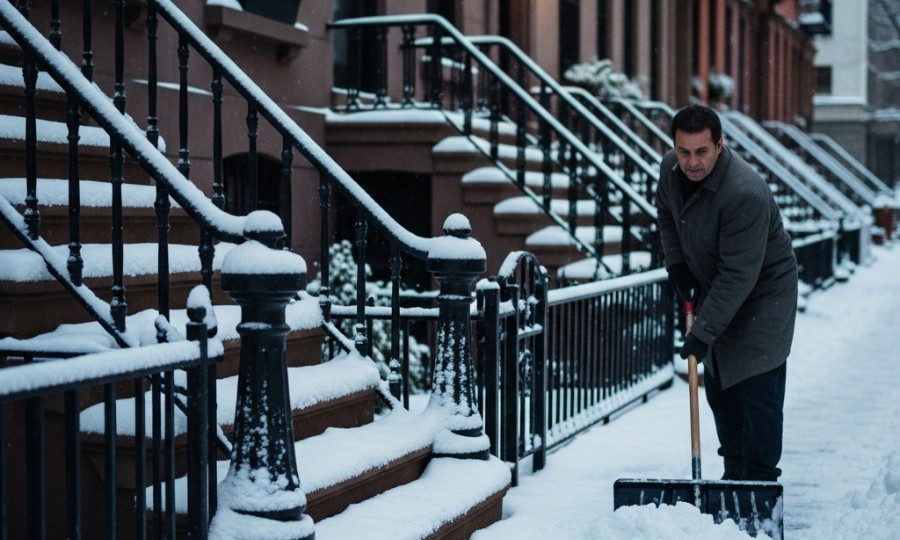
Imagine waking up to a fresh blanket of snow in New York City – beautiful, right? For many property owners, that picturesque scene quickly turns into a race against the clock. What you might not realize is just how strict New York City’s snow and ice removal laws truly are, especially that often-misunderstood 4-hour rule. It’s not just about shoveling; it’s about understanding precise legal timelines that can make all the difference in a potential slip-and-fall injury claim.
We know this can feel overwhelming, especially with unpredictable winter weather. You’re probably thinking, “I always clear my sidewalk, isn’t that enough?” The truth is, the details matter immensely here. Property owners, whether you’re a small business owner, a landlord, or a homeowner, bear a significant responsibility for maintaining safe sidewalks adjacent to your property. And failing to meet these obligations can lead to serious legal and financial consequences. So, let’s unpack exactly what NYC expects from you when winter strikes, and how you can protect yourself and others.
The Clock Starts Ticking: Understanding NYC’s Snow Removal Timeline
Here’s the thing about NYC snow removal’s 4-hour rule: it’s incredibly precise, yet often misinterpreted. According to the New York City Department of Sanitation (DSNY) regulations, property owners have a very specific window to clear snow and ice from sidewalks adjoining their property. The clock starts ticking four hours after the snow stops falling, provided it’s between 7 AM and 9 PM. If the snow stops falling between 9 PM and 7 AM, you get a bit more leeway – until 11 AM the following morning. Miss that window, and you could face fines, but more critically, increased liability if someone falls.
You might wonder, “But what if it’s just a dusting?” The rule applies regardless of snow accumulation. Even a light snowfall or freezing rain can create treacherous conditions. For instance, consider a scenario where snow stops falling at 3 PM on a Tuesday. By 7 PM, your sidewalk should be clear. If a pedestrian slips at 7:30 PM on uncleared ice, you could be held liable. This isn’t just about good citizenship; it’s a legal mandate designed to keep our bustling city safe for everyone. Isn’t that something worth paying close attention to?
It’s Not Just About Shoveling: What ‘Reasonable’ Means
Clearing snow isn’t always as simple as a quick shovel. The DSNY requires you to clear a path at least four feet wide, and it must be free of snow and ice. But what about that pesky ice that forms after the snow has been removed, or the dreaded black ice? This is where the concept of “reasonable care” comes into play, a critical element in understanding NYC slip and fall liability.
The law expects you to take reasonable measures to prevent slip-and-fall hazards. This means not only shoveling but also applying salt, sand, or other anti-slip materials to address ice, especially refreezing meltwater. I’ve seen firsthand how quickly a minor oversight can turn into a major headache for property owners. For example, a property owner in Brooklyn meticulously shoveled their sidewalk, but then neglected to salt a small patch where water had consistently dripped from an awning and refroze overnight. A pedestrian, unaware of the thin sheet of ice, slipped and broke their wrist. The property owner, despite having shoveled, was still found liable because they hadn’t taken reasonable steps to address the ice. It’s a stark reminder that your responsibility extends beyond just the initial snow removal.
When Things Go Wrong: Navigating Slip-and-Fall Liability
The potential for a slip-and-fall injury claim is a significant concern for any property owner in New York City. The city’s administrative code explicitly outlines the duties of property owners regarding New York City ice removal law. If someone falls on a sidewalk adjacent to your property due to snow or ice that you failed to clear within the specified timeframes, you could be held responsible for their injuries. This liability can cover everything from medical bills and lost wages to pain and suffering.
Generally speaking, courts will look at whether the property owner acted reasonably under the circumstances. Did you have adequate time to clear the snow? Did you take steps to address refreezing ice? Did you use appropriate materials? These are all questions that come up in a liability case. Take the case of a co-op building in Manhattan where the super usually handles snow removal. One particularly heavy snowfall hit, and the super was sick. The building management didn’t have a backup plan, and the sidewalks remained uncleared past the DSNY deadline. A delivery person slipped, sustaining a serious back injury. Because the building didn’t fulfill its obligation, they faced a substantial lawsuit. It really underscores the importance of having a robust plan in place.
Protecting Your Property (and Peace of Mind) This Winter
Understanding property owner snow responsibility in NYC isn’t just about avoiding fines; it’s about minimizing risk and ensuring public safety. So, what can you do to ensure you’re complying with NYC sidewalk snow clearance requirements?
- Stay Informed: Keep an eye on weather forecasts and DSNY advisories. Knowing when snow is expected and when it stops falling is crucial for tracking your 4-hour window.
- Act Promptly: Don’t delay. As soon as the snow stops (or within the overnight grace period), get to work or ensure your designated clearer does.
- Clear a Wide Path: Aim for at least four feet. This allows ample space for pedestrians, including those with strollers or wheelchairs.
- Address Ice Aggressively: Shoveling is only half the battle. Always apply salt, sand, or an approved ice melt product to prevent refreezing and mitigate existing ice. Check frequently for new ice formation, especially in shaded areas or near drainage points.
- Have a Backup Plan: If you’re a property manager or landlord, ensure there’s a clear protocol for snow and ice removal, even if your primary person is unavailable. Communicate these responsibilities clearly to tenants if it falls on them.
- Document Your Efforts: While not legally required, keeping a log of when you cleared snow, what materials you used, and even taking timestamped photos can be incredibly helpful if you ever face a liability claim.
You might be thinking this all sounds like a lot of work, and yes, it absolutely can be. But the alternative – facing a serious injury lawsuit and potentially significant financial repercussions – is far more burdensome. By being proactive and understanding the specifics of New York City’s snow and ice removal laws, you’re not just adhering to regulations; you’re contributing to a safer community and protecting your own interests. It’s a win-win, don’t you think? So, let’s make this winter a safe one for everyone on your sidewalk.
This article was drafted with AI assistance. Please verify all claims and information for accuracy. The content is for informational purposes only and does not constitute professional advice.
Free Case Consultation
Injured in an accident? Speak directly with an experienced NYC personal injury attorney at
Rosenberg, Minc, Falkoff & Wolff.
Your consultation is free, confidential, and risk-free.
No obligation – No upfront fees – You don’t pay unless we win
Follow RMFW Law for legal insights and case results: