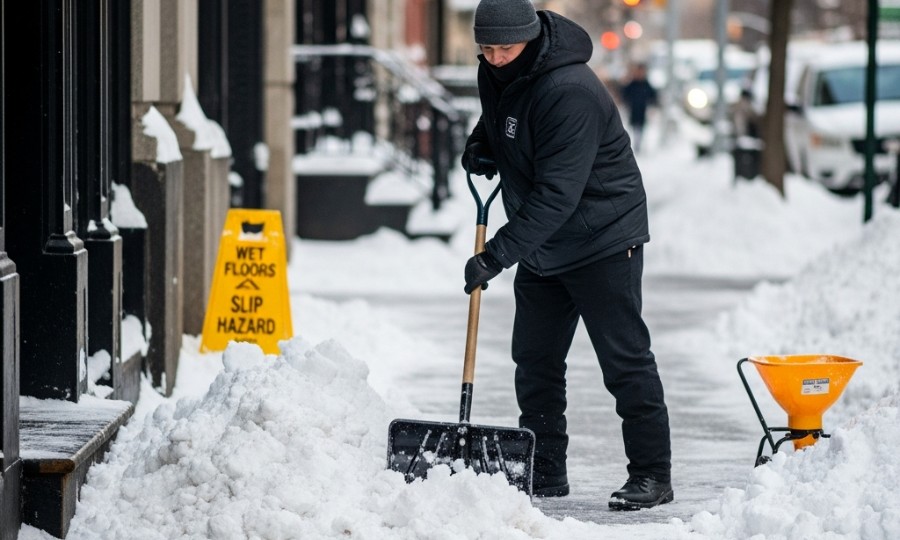
Remember the ‘Blizzard of 2026’? Even though it’s a hypothetical storm for now, the threat of such an event, and the city’s response to recent major snowfalls, has dramatically reshaped what it means to own property in New York City. We’ve all felt that familiar dread when the snow starts falling, knowing it means more than just a picturesque winter wonderland. But for property owners, that dread now comes with a heavier weight: escalating sidewalk liability and the city’s heightened enforcement of snow and ice removal regulations. It’s not just about a clean sidewalk anymore; it’s about avoiding hefty fines and potential lawsuits.
The Shifting Landscape of NYC Snow Liability
For years, NYC property owners have understood their responsibility to clear snow and ice. But if you’ve been paying attention to recent enforcement trends, you’ll know things are different now. The city isn’t playing around. NYC Administrative Code § 16-123 mandates that property owners clear snow and ice from sidewalks adjoining their premises within a specific timeframe after snowfall ceases. It sounds straightforward, doesn’t it? But the ‘reasonable time’ clause is being interpreted and enforced with a new vigor, putting a significant burden on property owners.
Here’s the thing: The city’s proactive stance means more inspectors, more tickets, and less leeway. You might wonder, ‘Hasn’t this always been the rule?’ Yes, but the application has intensified. This isn’t just a municipal suggestion; it’s a critical legal obligation. Are you truly prepared for what this shift means for your property?
Why Recent Major Storms (Like the ‘Blizzard of 2026’ Proxy) Are a Turning Point
While the ‘Blizzard of 2026’ is a future scenario, it serves as a powerful illustration of how major snow events — the kind we’ve seen more of lately — are changing the game. These storms don’t just dump snow; they flood the 311 system with complaints, overwhelming city resources and fueling public demand for accountability. The city’s response? Increased enforcement. They’re not just issuing warnings anymore; they’re issuing fines, and the public is more aware than ever of their right to a safe sidewalk.
In my experience, public sentiment after a big storm can quickly turn from inconvenience to outright frustration if sidewalks remain impassable. This pressure translates directly to property owners. We’re seeing a clear trend: the bigger the storm, the more intense the scrutiny, and the higher the stakes for compliance.
Navigating the Legal Snowdrifts: Fines and Lawsuits
Let’s talk about the real consequences. Neglecting your snow removal duties can lead to two major headaches: fines from the city and personal injury lawsuits. The fines, issued by the Department of Sanitation (DSNY), can escalate quickly. A first offense might be manageable, but repeat violations? They can become substantial, especially when you consider the cumulative effect over a challenging winter season. We’re talking hundreds, even thousands, of dollars. But that’s just the start.
The more significant threat often comes from slip-and-fall lawsuits. If someone slips on an icy patch or unmarked snow on your sidewalk and gets injured, you could be facing a personal injury claim. The legal doctrine in New York, particularly after cases like Garrido v. Weeks, reinforces that property owners have a duty to maintain their sidewalks in a reasonably safe condition. A jury could find you liable if your negligence caused the injury. Could a simple oversight cost you everything?
Imagine this scenario: A small brownstone owner, Mr. Henderson, sweeps his sidewalk after a snowfall but misses a small icy patch hidden under a thin layer of fresh powder. A pedestrian, rushing to work, slips, breaks their wrist, and incurs significant medical bills. Mr. Henderson, who thought a quick sweep was enough, suddenly faces a lawsuit that could drain his savings and put his property at risk. It’s a harsh reality, but it’s becoming increasingly common.
The Cost of Neglect: More Than Just a Ticket
The financial implications of a lawsuit extend far beyond a settlement. You’ll need to factor in legal fees, which can quickly add up, even if you win your case. Then there’s the potential for increased insurance premiums or, worse, difficulty renewing your policy. For businesses, a highly publicized lawsuit can also cause reputational damage, deterring customers and impacting your bottom line. It’s a cascade of costs that nobody wants to deal with.
Proactive Measures: Your Best Defense Against Winter’s Wrath
So, what can you do? The key is proactive preparation. Don’t wait until the snow is piling up. Here are some actionable steps to protect your property and avoid liability:
- Understand the Clock: You typically have four hours after snow ceases to fall (or eight hours if the snow falls between 9 PM and 7 AM) to clear a path. Don’t push it.
- Clear a Wide Path: Aim for a minimum of four feet wide, ensuring safe passage for pedestrians, including those with strollers or wheelchairs.
- Use the Right Tools and Materials: Shovels, snow blowers, and effective de-icing agents like rock salt are essential. Consider pet-friendly alternatives if you’re in a high-traffic area with many dog walkers.
- Consider Professional Services: If you’re a busy property owner (and who isn’t?), hiring a reliable snow removal service can be a smart investment. They’re often better equipped and more knowledgeable about regulations.
- Document Everything: Take photos or videos of your cleared sidewalks, noting the date and time. This documentation can be invaluable if you ever need to defend against a claim.
Consider Ms. Chen, who manages a commercial building in Midtown. After last winter’s increased fines, she implemented a strict snow removal protocol: a dedicated team on standby, detailed checklists, and photo documentation after every clearing. When a minor slip-and-fall occurred, her robust documentation quickly demonstrated her due diligence, helping her navigate the claim with minimal fuss. It works!
Beyond the Shovel: Understanding Your Insurance
Even with the best precautions, accidents can happen. That’s why your insurance policy is your ultimate safety net. We often set it and forget it, but now’s the time to review your general liability policy. Does it adequately cover slip-and-fall incidents on your property? Are there any specific endorsements or exclusions related to snow and ice removal? You might be thinking this won’t work because your policy is comprehensive, but sometimes the devil is in the details. Does your current policy truly have you covered against the heightened risks of NYC winters?
The Bottom Line: Protecting Your Property and Peace of Mind
The lessons from recent challenging winters are clear: NYC property owners face increased scrutiny and heightened liability when it comes to snow and ice removal. The days of a casual sweep are over. We’re in an era where proactive, meticulous preparation isn’t just good practice; it’s a legal necessity.
Isn’t your peace of mind worth the effort? By understanding your responsibilities, taking concrete steps to clear your sidewalks promptly and thoroughly, and ensuring your insurance coverage is robust, you can protect your financial well-being and maintain a safe environment for your community. Don’t wait for the next ‘Blizzard of 2026’ to remind you of your obligations. Prepare now.
This article was drafted with AI assistance. Please verify all claims and information for accuracy. The content is for informational purposes only and does not constitute professional advice.
Free Case Consultation
Injured in an accident? Speak directly with an experienced NYC personal injury attorney at
Rosenberg, Minc, Falkoff & Wolff.
Your consultation is free, confidential, and risk-free.
No obligation – No upfront fees – You don’t pay unless we win
Follow RMFW Law for legal insights and case results: