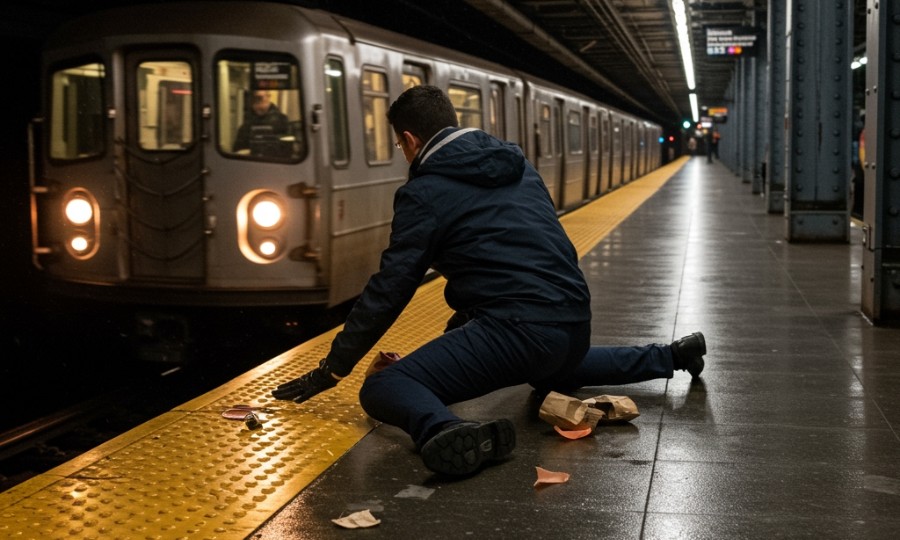
New York City’s Metropolitan Transportation Authority (MTA) operates one of the most extensive public transit systems in the world. Millions of commuters and tourists rely on its subways, buses, and commuter rail lines daily. While convenient, this vast network also presents inherent risks. Slip and fall accidents, unfortunately, are a significant source of injury for many individuals navigating platforms, stairs, and even the vehicles themselves. These incidents lead to severe physical, emotional, and financial burdens for victims.
At RMFW Law, we understand the unique legal challenges involved when pursuing claims against a public authority like the MTA. Our team possesses the expertise necessary to guide you through the complexities of New York’s specific notice requirements and strict deadlines, ensuring your rights remain protected. If you suffered an injury in an MTA-related slip and fall, we are here to help.
The Unseen Dangers of NYC’s MTA System
MTA properties, including subway stations, bus stops, and train interiors, are bustling environments. Consequently, hazards can develop quickly and unexpectedly. Many factors contribute to slip and fall accidents within this intricate system, often catching passengers off guard. Understanding these common risks is crucial for both prevention and for building a strong legal case.
Common Causes of MTA Slip and Fall Accidents:
- Slippery Surfaces: Water, spilled beverages, oil, or even recently mopped floors without adequate warning signs create extremely hazardous conditions. Rain and snow frequently track into stations and onto vehicles, making surfaces slick.
- Debris and Obstructions: Litter, discarded food, broken glass, or other foreign objects on platforms, stairs, or within train cars can easily cause someone to lose their footing. The MTA must regularly inspect and clean these areas.
- Uneven or Damaged Surfaces: Cracked or broken platform edges, potholes in bus lanes, loose flooring, or worn-out stair treads pose significant tripping hazards. A sudden change in elevation can lead to a severe fall.
- Poor Lighting: Inadequate lighting in stairwells, on platforms, or within dimly lit train cars can obscure dangerous conditions, preventing passengers from seeing potential obstacles or slippery spots.
- Sudden Movements: Abrupt stops, starts, or sudden lurches of trains and buses can throw passengers off balance, especially if they are standing or preparing to exit. While some movement is expected, excessively violent maneuvers may indicate negligence.
- Overcrowding: Extremely crowded conditions, particularly during rush hour, limit visibility and make it difficult to navigate safely, increasing the risk of being jostled or falling.
These hazards, individually or in combination, can lead to serious injuries, dramatically impacting a victim’s life.
Navigating the Legal Maze: Suing the MTA for Slip and Fall Injuries
Suing a government entity, such as the MTA, differs significantly from filing a claim against a private individual or company. New York law imposes specific procedural requirements and tighter deadlines for claims against public authorities. Failing to adhere to these rules can result in the dismissal of your case, regardless of its merits. Therefore, engaging an experienced legal team early is paramount.
The Critical Requirement: Filing a Notice of Claim
The most crucial initial step in any personal injury claim against the MTA is filing a formal document called a Notice of Claim. This document officially notifies the MTA of your intent to sue and provides essential details about the accident, your injuries, and the alleged negligence. The MTA is governed by Public Authorities Law § 1276, which mandates this requirement.
- Strict Deadline: You must file the Notice of Claim within 90 days of the date of your accident. This deadline is strictly enforced. Missing it almost always bars your ability to pursue compensation.
- Contents of the Notice: The Notice of Claim must include your name and address, the nature of your claim, the time, place, and manner in which the claim arose, and the injuries sustained.
- Purpose: The Notice allows the MTA to investigate the incident promptly while evidence is fresh and witnesses are available.
Properly preparing and filing this document requires precision and a thorough understanding of legal requirements. RMFW Law meticulously handles this process for our clients, protecting their right to seek justice.
Statute of Limitations
Beyond the 90-day Notice of Claim, you also face a specific statute of limitations for filing a lawsuit. For most personal injury cases against the MTA, you generally have one year and ninety days from the date of the accident to commence a lawsuit. However, exceptions and nuances exist, making legal counsel indispensable.
Proving Negligence Against the MTA
To succeed in an MTA slip and fall case, you must prove that the MTA acted negligently and that this negligence directly caused your injuries. This involves demonstrating several key elements:
- Duty of Care: The MTA owes a duty to its passengers and the public to maintain its premises and vehicles in a reasonably safe condition.
- Breach of Duty: The MTA breached this duty by failing to repair a dangerous condition, failing to warn of a hazard, or failing to properly maintain its property. For example, leaving a wet spill uncleaned for an unreasonable amount of time constitutes a breach.
- Causation: The MTA’s breach of duty may have directly caused your slip and fall accident and resulting injuries. Your injuries must be a foreseeable consequence of their negligence.
- Damages: You suffered actual damages, such as medical expenses, lost wages, pain and suffering, or other financial losses due to your injuries.
Actual vs. Constructive Notice
A critical aspect of proving negligence against the MTA involves demonstrating that they had ‘notice’ of the dangerous condition. This can be:
- Actual Notice: The MTA directly knew about the hazard (e.g., an employee saw the spill and did nothing, or a report was filed).
- Constructive Notice: The dangerous condition existed for a sufficient length of time that the MTA, in the exercise of reasonable care, should have discovered and remedied it. For instance, a broken stair step present for days might constitute constructive notice.
Gathering evidence to establish notice is often challenging but essential for a successful claim. Our attorneys at RMFW Law diligently investigate these details.
What to Do Immediately After an MTA Slip and Fall Accident
Your actions immediately following an accident can significantly impact your legal claim. Therefore, take these steps seriously:
- Seek Medical Attention: Your health is paramount. Even if you feel fine initially, consult a doctor. Some injuries, especially head or internal injuries, may not manifest symptoms immediately. Medical records also provide crucial evidence for your claim.
- Report the Incident: Notify MTA personnel (e.g., station agent, bus driver, conductor) about your fall immediately. Ask for an incident report and obtain a copy if possible.
- Document Everything: If safe to do so, take photos and videos of the accident scene. Capture the specific hazard that caused your fall, the surrounding area, and any visible injuries. Note the date, time, and location precisely.
- Gather Witness Information: If anyone saw your fall, ask for their names and contact information. Their testimony can be invaluable.
- Do NOT Give Recorded Statements: The MTA or its representatives may contact you. Politely decline to give any recorded statements or sign any documents without consulting with your attorney first.
- Contact a Personal Injury Lawyer: As soon as possible, speak with an attorney experienced in MTA slip and fall cases. They will advise you on your rights and ensure you meet all critical deadlines, especially the 90-day Notice of Claim.
Common Injuries from MTA Slip and Fall Accidents
Slip and fall incidents on the MTA can result in a wide range of injuries, from minor to life-altering. These may include:
- Fractures (wrists, ankles, hips, legs)
- Sprains and strains (ankles, knees, back)
- Head injuries, including concussions and traumatic brain injuries (TBIs)
- Spinal cord injuries (herniated discs, nerve damage)
- Soft tissue damage (ligament and tendon tears)
- Cuts, bruises, and lacerations
These injuries often require extensive medical treatment, rehabilitation, and can lead to significant time away from work, resulting in substantial financial losses and emotional distress.
How RMFW Law Protects Your Rights After an MTA Slip and Fall
Dealing with the aftermath of an injury is overwhelming enough. Navigating a complex legal claim against a powerful entity like the MTA adds another layer of stress. RMFW Law stands ready to be your advocate.
- Expertise in MTA Cases: We possess a deep understanding of the unique laws and procedures governing claims against the MTA. We know what it takes to build a strong case.
- Timely Notice of Claim Filing: We ensure your Notice of Claim is prepared accurately and filed within the strict 90-day deadline, safeguarding your legal rights from the outset.
- Thorough Investigation: Our team meticulously investigates your accident, gathering critical evidence such as surveillance footage, maintenance records, witness statements, and expert testimony.
- Aggressive Representation: We negotiate fiercely with the MTA’s legal team and, if necessary, litigate your case in court to pursue the maximum compensation you deserve for your medical bills, lost wages, pain and suffering, and other damages.
- Client-Centered Approach: We provide compassionate and personalized legal guidance, keeping you informed at every stage and addressing all your concerns.
Do not face the Metropolitan Transportation Authority alone. Their legal resources are vast, but with RMFW Law by your side, you gain a powerful ally. We are committed to holding negligent parties accountable and helping you secure the justice and financial recovery you need to move forward. Contact RMFW Law today for a free, no-obligation consultation to discuss your MTA slip and fall accident.
Free Case Consultation
Injured in an accident? Contact Rosenberg, Minc, Falkoff & Wolff for a free and confidential case review with an experienced NYC personal injury attorney.