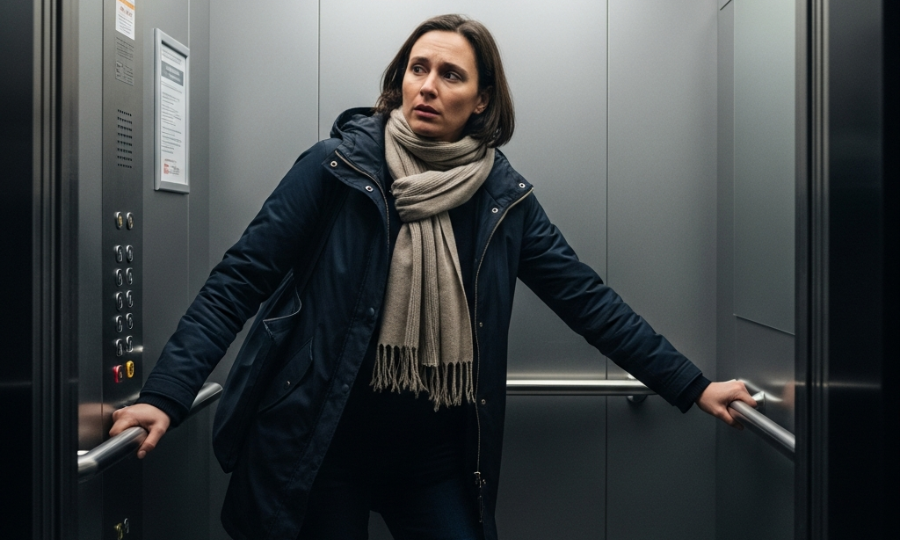
Elevator accidents in New York City can cause devastating injuries. Victims often feel overwhelmed and uncertain about their next steps. If you or a loved one suffered harm, understanding landlord liability is crucial. As a trusted NYC elevator accident lawyer, our firm helps injured individuals navigate these complex claims.
Key Takeaways
- New York City landlords are legally obligated to maintain over 80,000 elevators, ensuring their safe operation through regular inspections and repairs.
- The statute of limitations for filing an elevator accident personal injury claim in New York is generally three years from the date of the incident.
- Compensation for elevator accident victims can cover medical expenses, lost wages, and pain and suffering, potentially amounting to significant sums depending on injury severity.
- NYC Department of Buildings (DOB) issues violations for elevator non-compliance, which serves as strong evidence of landlord negligence.
Property owners in New York City have a fundamental legal obligation. They must maintain safe premises for tenants, visitors, and employees. This duty extends directly to the elevators within their buildings. When landlords neglect this responsibility, serious accidents can occur. Consequently, victims may have a strong case for compensation.
Landlord’s Duty for Elevator Safety
New York law places a significant burden on landlords. They must ensure all elevators operate safely. This involves regular inspections, timely repairs, and proper maintenance. The NYC Department of Buildings (DOB) oversees elevator safety. They establish strict regulations and inspection schedules for the city’s over 80,000 elevators.
A landlord’s duty is not merely passive. They must actively prevent foreseeable hazards. This includes addressing known defects promptly. Also, they must conduct routine preventative maintenance. Failing to do so constitutes negligence. This negligence often becomes the basis for an elevator injury lawsuit.
For example, a building owner in Brooklyn cannot ignore a tenant’s complaint. If an elevator repeatedly jerks or stalls, the landlord must investigate. Delaying repairs or maintenance can lead to severe accidents. Therefore, swift action is always required.
Common Causes of NYC Elevator Accidents
Elevator malfunctions stem from various issues. Many result from inadequate maintenance or faulty components. Door malfunctions are a frequent cause of injury. Doors may close too quickly, trapping passengers. Alternatively, they might fail to open or close properly.
Leveling errors also pose a significant danger. The elevator car might stop above or below the floor landing. This creates a tripping hazard. Passengers stepping out can suffer falls. Sudden drops or uncontrolled acceleration are less common but highly dangerous. These incidents often lead to severe physical and psychological trauma.
Also, electrical system failures can cause elevators to stall. Passengers can become trapped for extended periods. While not always physically injurious, this experience can be terrifying. It can also exacerbate existing medical conditions. Our firm investigates all potential causes. We uncover the precise failures that led to your accident.
Establishing Landlord Negligence
Proving landlord negligence is a key step in these cases. We must demonstrate the landlord breached their duty of care. This means they failed to act reasonably. For example, a landlord might ignore a broken safety sensor. This directly contributes to an accident. Evidence often includes maintenance logs and inspection reports.
Additionally, witness statements provide crucial details. Surveillance footage can also capture the incident. Our legal team meticulously gathers this evidence. We build a robust case on your behalf. Demonstrating a direct link between negligence and your injuries is paramount.
In a recent case in Manhattan, an elevator cable snapped. Our investigation revealed the landlord had skipped routine inspections for years. This clear pattern of neglect established liability. Consequently, the injured party received significant compensation. Every piece of evidence matters.
Types of Injuries and Damages
Elevator accidents cause a wide range of injuries. These can be minor or catastrophic. Common injuries include broken bones, sprains, and fractures. Head injuries, including concussions and traumatic brain injuries, are also possible. Spinal cord damage can result in paralysis. Severe falls may cause internal injuries or organ damage.
Victims often experience significant pain and suffering. They may require extensive medical treatment. This includes surgeries, rehabilitation, and long-term care. These costs quickly accumulate. Lost wages are also a major concern. Injured individuals might miss work for weeks or months. Some can never return to their previous profession.
Therefore, compensation in an elevator accident lawsuit covers these losses. It includes medical expenses, lost income, and future earning capacity. Plus, it accounts for pain and suffering. It also covers emotional distress. Our goal is to secure full and fair compensation for all your damages.
The Role of NYC Building Codes and Inspections
The NYC Department of Buildings (DOB) enforces strict regulations. These rules govern elevator installation, maintenance, and repair. Regular inspections are mandatory. The DOB issues violations for non-compliance. These violations serve as powerful evidence of landlord negligence.
Also, inspection certificates must be current. If a landlord operates an elevator without a valid certificate, they violate city law. This demonstrates a disregard for public safety. Our Queens personal injury attorneys frequently review DOB records. These records help us identify a landlord’s history of non-compliance.
For instance, if an elevator in a Staten Island building had multiple prior violations for faulty wiring, this establishes a pattern. It strengthens the argument that the landlord knew of the danger. They failed to correct it. Consequently, this negligence led to an accident. Adhering to these codes is not optional.
Steps to Take After an Elevator Accident
Immediate actions after an elevator accident are critical. First, seek medical attention without delay. Even if injuries seem minor, a medical evaluation is essential. Some serious injuries have delayed symptoms. Therefore, a doctor’s visit creates an official record of your condition.
Second, if possible, document the scene. Take photos or videos of the elevator. Note any visible defects or warning signs. Collect contact information from witnesses. Their accounts can prove invaluable. Do not discuss fault with anyone. Limit your conversations to emergency personnel.
Third, contact an experienced NYC elevator accident lawyer. Do this as soon as you are able. A lawyer can preserve crucial evidence. They can also protect your rights. The statute of limitations for personal injury claims in New York is generally three years. However, acting quickly is always in your best interest. This ensures no critical evidence is lost.
Why You Need a Trusted NYC Elevator Accident Lawyer
Elevator accident cases are complex. They involve detailed investigations and legal arguments. Landlords and their insurance companies often vigorously defend these claims. They may try to minimize your injuries. They might even attempt to shift blame. Navigating this alone is incredibly challenging.
Our firm possesses extensive experience in New York City personal injury law. We understand the specific nuances of elevator liability cases. We know how to gather critical evidence. We also effectively negotiate with insurance companies. Also, we are prepared to take your case to trial if necessary.
Securing maximum compensation requires skilled legal representation. We fight tirelessly for our clients. We ensure their voices are heard. We stand by injured New Yorkers. Our goal is to help you rebuild your life after a devastating accident. We provide compassionate guidance through every step of the legal process.
Related Reading
Frequently Asked Questions
How long do I have to file an elevator accident lawsuit in New York?
In New York, the statute of limitations for most personal injury claims, including elevator accidents, is generally three years from the date of the injury. However, specific circumstances can alter this timeframe, making prompt legal consultation crucial.
What kind of compensation can I receive after an NYC elevator accident?
Victims of elevator accidents in NYC can pursue compensation for medical bills, lost wages, future loss of earning capacity, pain and suffering, and emotional distress. The exact amount depends on the severity of injuries and total damages incurred.
What evidence is important for proving landlord negligence in an elevator accident?
Crucial evidence includes maintenance logs, inspection reports from the NYC Department of Buildings (DOB), witness statements, surveillance footage, and medical records detailing your injuries. A lawyer will help collect and analyze these documents.
Can I sue if an elevator stalled but I wasn’t physically injured?
While physical injury is common, you might still have a claim if you suffered significant emotional distress or exacerbation of a pre-existing condition due to being trapped. Consulting an attorney can determine the viability of such a claim.
This article was drafted with AI assistance. Please verify all claims and information for accuracy. The content is for informational purposes only and does not constitute professional advice.
Free Case Consultation
Injured in an accident? Speak directly with an experienced NYC personal injury attorney at
Rosenberg, Minc, Falkoff & Wolff.
Your consultation is free, confidential, and risk-free.
No obligation – No upfront fees – You don’t pay unless we win
Follow RMFW Law for legal insights and case results: