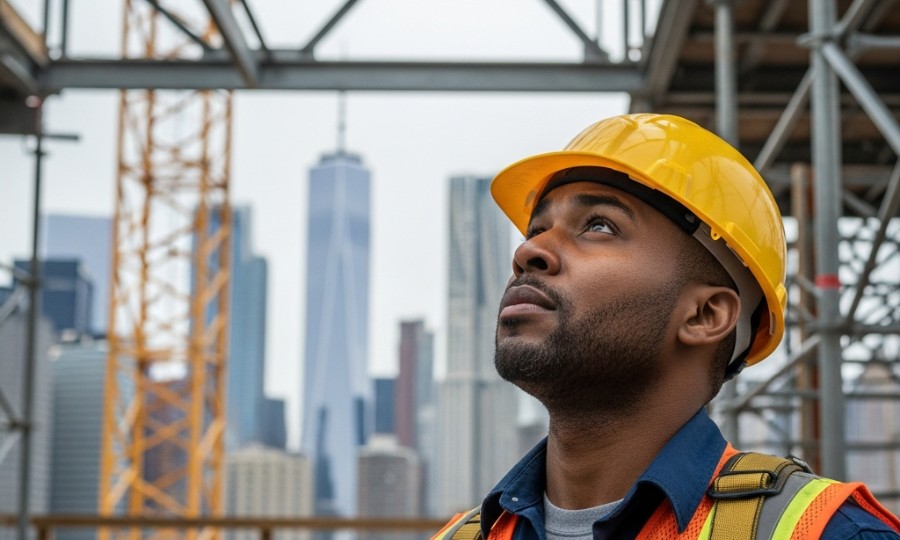
Imagine you’re a skilled construction worker in Brooklyn, high up on a scaffold, the city skyline spread out before you. You’re focused, diligent, and you trust your equipment. But what happens if that trust is broken? What if a fall occurs, or something crashes down from above, through no fault of your own? It’s a sobering thought, isn’t it? For decades, New York’s Labor Law 240, famously known as the ‘Scaffold Law,’ has been a critical shield for workers like you, and its enduring relevance in 2026 continues to be a cornerstone of construction site safety, especially against gravity-related injuries.
What Exactly Is NYC Labor Law 240?
Let’s cut to the chase: NYC Labor Law 240 isn’t just another regulation; it’s a powerful piece of legislation designed specifically to protect workers from specific types of construction accidents. We’re talking about ‘gravity-related’ incidents here – falls from heights, or being struck by falling objects. The law applies to owners and contractors, holding them strictly liable for providing proper safety devices and ensuring they’re correctly used. This means if an accident happens due to inadequate safety measures, like a faulty scaffold, a missing guardrail, or an improperly secured hoist, the owner or contractor is generally held responsible, regardless of whether they directly supervised the work. You might wonder, isn’t that a bit harsh? The truth is, it’s a proactive measure, forcing those in charge to prioritize safety from the ground up (or, more accurately, from the scaffold up!).
In most cases, this strict liability element is what makes Labor Law 240 so unique and effective. Unlike typical personal injury cases where you’d have to prove negligence, under 240, you just need to show that a gravity-related accident occurred and that an appropriate safety device wasn’t provided or properly maintained. It’s a significant distinction, and it’s why this law is so vital for construction workers in Brooklyn and across New York State.
Strict Liability: Why It’s a Game-Changer for Workers
Here’s the thing: ‘Strict liability’ under Labor Law 240 is a massive advantage for injured workers. It means the property owner or general contractor can’t simply point fingers and say, ‘Well, the worker was careless,’ or ‘It wasn’t our fault.’ If a fall from a height or a falling object injury occurs because safety devices weren’t adequate, working properly, or even provided, the law often places the liability squarely on their shoulders. This isn’t about proving someone was negligent; it’s about proving the risk wasn’t properly mitigated.
Consider a scenario: A worker in Downtown Brooklyn is on a ladder, installing drywall. The ladder, provided by the contractor, is old and unstable. It shifts, and the worker falls, sustaining serious injuries. Under strict liability, the focus isn’t on whether the worker placed their foot incorrectly, but on the fact that an unstable ladder was provided for work at height. This shifts the burden, compelling owners and contractors to invest in top-tier safety equipment and rigorous training. We believe it’s imperative that those who profit from construction bear the primary responsibility for ensuring worker safety. It creates a powerful incentive to protect human lives over cutting corners, and that’s a sentiment we certainly share.
The Persistent Fight to Undermine the Scaffold Law (and Why It Fails)
Despite its proven effectiveness in reducing construction accidents, Labor Law 240 has faced continuous challenges from powerful lobbying groups representing developers, contractors, and insurance companies. They often argue that the law is too costly, drives up insurance premiums, and unfairly holds them responsible. You might be thinking this won’t work because it seems like a battle against a well-established law, and you’d be right. These efforts, though persistent, have largely failed to dismantle the core protections of the Scaffold Law. Why? Because the data consistently shows that it saves lives and prevents devastating injuries.
Legislators and worker advocacy groups have, thankfully, recognized the critical importance of this law. They understand that weakening Labor Law 240 would likely lead to an increase in preventable accidents and place an undue burden on injured workers and their families. It’s a testament to the law’s vital role that it continues to withstand these challenges, maintaining its strength for Brooklyn construction workers and all New York laborers. In my experience, understanding these ongoing legal battles reinforces just how precious and hard-won these worker protections truly are.
Real-World Impact: How Labor Law 240 Protects Brooklyn’s Builders
Let’s look at a couple of specific, realistic examples to really drive home the impact of Labor Law 240 in Brooklyn. First, imagine a worker on a high-rise project near the Brooklyn Bridge. They’re using a hoist to lift materials, but the hoist cable frays and snaps, sending heavy equipment plummeting. The worker, standing below, is struck and severely injured. Without Labor Law 240, proving negligence could be a complex, drawn-out battle. However, under 240, the failure of the hoist (a gravity-related safety device) would likely establish strict liability for the owner/contractor.
Secondly, consider a renovation project in Bushwick. A worker is performing roofing work without proper fall protection – no harnesses, no safety lines, no perimeter guardrails. They slip on a wet surface and fall two stories, breaking multiple bones. Even if the worker made a misstep, the absence of the required fall protection devices would trigger Labor Law 240’s protections. These aren’t just hypothetical situations; they’re the kinds of devastating accidents that happen every day, and 240 provides a clear path to compensation for medical bills, lost wages, and pain and suffering. It’s designed to provide a financial safety net when physical safety fails.
Looking Ahead: Your Rights Under Labor Law 240 in 2026 and Beyond
As we move towards 2026 and beyond, the core tenets of NYC Labor Law 240 remain steadfast. While there may always be attempts to chip away at its protections, the law continues to serve as an indispensable safeguard for construction workers across New York State, including the bustling sites of Brooklyn. It’s crucial for you, as a worker, to know your rights. Don’t assume that an injury is just ‘part of the job’ or that you’re solely responsible if an accident occurs.
If you or someone you know has been involved in a gravity-related construction accident – a fall from a scaffold, a ladder accident, or being struck by a falling object – it’s imperative to understand how Labor Law 240 applies to your situation. Document everything you can, seek immediate medical attention, and consider speaking with an attorney who specializes in New York construction law. They can help you navigate the complexities of this powerful law and ensure your rights are fully protected. Your safety, and your ability to recover after an injury, are paramount. Isn’t it time to ensure you have every protection available?
This article was drafted with AI assistance. Please verify all claims and information for accuracy. The content is for informational purposes only and does not constitute professional advice.
Free Case Consultation
Injured in an accident? Speak directly with an experienced NYC personal injury attorney at
Rosenberg, Minc, Falkoff & Wolff.
Your consultation is free, confidential, and risk-free.
No obligation – No upfront fees – You don’t pay unless we win
Follow RMFW Law for legal insights and case results: