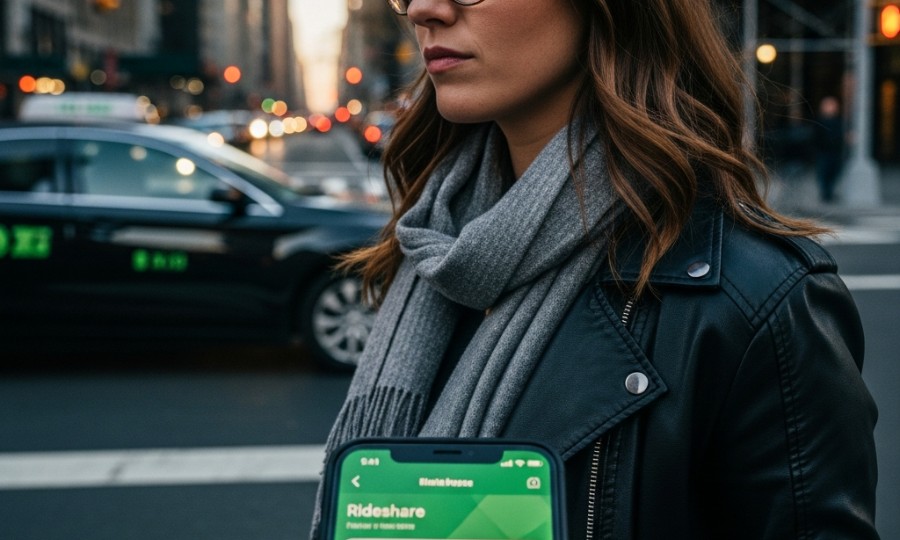
We’ve all been there: you’re in New York City, the rain starts to pour, or you’re just too tired to brave the subway, so you pull out your phone and hail an Uber or Lyft. It’s convenient, it’s efficient, and in most cases, it’s a completely uneventful experience. But what happens when that routine ride takes an unexpected turn, leading to an accident? In a city as bustling and complex as NYC, navigating the aftermath of a rideshare accident, especially concerning insurance, can feel like trying to decipher a foreign language.
You might think, “Uber or Lyft will just handle it, right? They’re big companies.” The truth is, it’s rarely that simple. New York City, with its unique Taxi and Limousine Commission (TLC) regulations, adds several layers of complexity to rideshare accident claims that you won’t find in many other places. For injured passengers, understanding these nuances isn’t just helpful; it’s absolutely critical to ensuring you get the coverage and compensation you deserve. We’re going to break down the specific challenges and what you need to know.
The NYC Difference: Understanding TLC Regulations for Rideshares
Here’s the thing about rideshares in New York City: they don’t operate under the same rules as personal vehicles. The NYC Taxi and Limousine Commission (TLC) is the regulatory body that oversees all for-hire vehicles, including Uber and Lyft drivers. This isn’t just a bureaucratic detail; it profoundly impacts insurance coverage. Every vehicle operating as a rideshare in NYC must be licensed by the TLC, and crucially, must carry specific commercial insurance policies that go beyond standard personal auto insurance. This commercial coverage is generally much higher than what a typical driver carries, often reaching $1 million or more per incident. But even with these higher limits, there are still potential gaps and complexities, particularly for passengers who aren’t familiar with how these policies interact.
For instance, while a TLC-licensed vehicle has robust coverage, the specific details of the policy can vary. You might wonder, “Isn’t Uber supposed to cover this?” Well, Uber and Lyft do provide their own insurance policies for their drivers, but these often act as contingent coverage, meaning they kick in after the driver’s personal or TLC-required commercial policy is exhausted, or if the driver’s policy denies coverage for a rideshare-related incident. This layered approach can create significant confusion and delay when you’re trying to file a claim after an accident. It’s a system designed to protect everyone, but its intricate nature can make seeking compensation feel incredibly frustrating.
Unpacking Rideshare Insurance Coverage in New York
Let’s dive a little deeper into how rideshare insurance typically works in New York, and where those crucial gaps can emerge. Generally speaking, rideshare insurance coverage is often divided into three distinct phases:
- App Off: If the rideshare driver is not logged into the app, their personal auto insurance policy is usually the only coverage in effect.
- App On, Waiting for a Ride Request: When a driver is logged into the app and waiting for a passenger but hasn’t accepted a ride yet, Uber and Lyft typically provide limited contingent liability coverage (e.g., $50,000 per person/$100,000 per accident for bodily injury, $25,000 for property damage).
- App On, During a Trip (From Acceptance to Drop-off): This is when the most robust coverage kicks in. Both Uber and Lyft generally offer significant third-party liability coverage (often $1 million) and sometimes uninsured/underinsured motorist (UM/UIM) coverage, as well as collision and comprehensive coverage for the driver’s vehicle (subject to a deductible). This is the phase where most passenger injuries occur.
So, where’s the gap for passengers? While the $1 million liability coverage during a trip sounds comprehensive, dealing with multiple insurance carriers (the rideshare company’s, the driver’s TLC commercial insurer, and potentially another at-fault driver’s insurer) can be a bureaucratic nightmare. Let’s say you’re a passenger in an Uber that gets T-boned by a distracted driver. Your injuries are significant. You’re not just dealing with the Uber driver’s TLC insurance; you’re also dealing with the at-fault driver’s personal insurance. The rideshare company’s policy might supplement, but the initial battle often happens between the involved drivers’ primary insurers. This kind of multi-party claim often requires a meticulous approach to ensure all potential sources of recovery are explored.
What to Do Immediately After an NYC Rideshare Accident
Being involved in an accident is a jarring experience, especially in a busy place like New York City. Your priority should always be your safety and well-being. Here are the immediate steps you should take:
- Ensure Safety and Seek Medical Attention: Move to a safe location if possible. Even if you feel fine, adrenaline can mask injuries. Get checked out by paramedics at the scene or visit an urgent care facility/hospital as soon as possible. Your health is paramount, and medical documentation is critical for any future claims.
- Call the Police: In NYC, you should always call 911 (or 311 for non-emergencies if police aren’t needed for immediate safety). A police report provides an official record of the accident, including details like location, time, and involved parties, which is invaluable.
- Gather Information: This is where you become your own best advocate. Get the rideshare driver’s name, contact information, license plate number, and insurance details (both their personal and TLC commercial policy if available). Also, get the names and contact information of any other drivers involved and their insurance information. Don’t forget to get contact details for any witnesses.
- Document the Scene: Use your phone to take photos and videos of everything: vehicle damage (all vehicles), the accident scene from various angles, road conditions, traffic signals, and any visible injuries. The more evidence you have, the better.
- Report to the Rideshare Company: Inform Uber or Lyft about the accident through their app or customer service as soon as you’re able.
You might be thinking this is too much to handle right after a crash, and you’d be right to feel overwhelmed. That’s a completely natural reaction. But taking these steps, even imperfectly, can significantly strengthen your position later on.
Navigating the Claims Process: Why It’s Tricky in NYC
Once the initial shock wears off, you’re faced with the daunting task of navigating the claims process. In New York, this is further complicated by our No-Fault insurance system. Essentially, your own personal auto insurance (or the rideshare driver’s No-Fault coverage) will typically pay for your medical expenses and lost wages up to a certain limit, regardless of who was at fault. However, to pursue a claim for pain and suffering or other non-economic damages, you generally need to show that you’ve sustained a “serious injury” as defined by New York’s insurance law. This threshold can be challenging to meet without proper guidance.
Can’t I just handle this myself? While you certainly have the right to, dealing with insurance adjusters, especially from multiple companies (your own, the rideshare driver’s TLC insurer, the rideshare company’s contingent insurer, and potentially another at-fault driver’s insurer), can be incredibly complex. These companies have teams of lawyers and adjusters whose primary goal is to minimize payouts. They know the ins and outs of New York’s No-Fault laws, the “serious injury” threshold, and the intricacies of TLC regulations. Without an experienced advocate on your side, you could inadvertently say or do something that jeopardizes your claim, or simply accept a settlement that doesn’t fully cover your damages.
I believe that having a personal injury attorney who specifically understands rideshare accidents and New York City’s unique TLC environment is invaluable. They can help you understand your rights, gather necessary evidence, communicate with all involved insurance companies, and negotiate for fair compensation, allowing you to focus on your recovery. They know how to prove a “serious injury” and navigate the often-conflicting policies to ensure you don’t fall through the cracks.
Rideshare services have transformed how we move around New York City, but they’ve also introduced new complexities when accidents occur. If you’ve been injured in an Uber or Lyft accident in NYC, don’t try to navigate the labyrinth of TLC regulations and insurance policies alone. Understanding your rights and having professional guidance can make all the difference in securing the compensation you need to heal and move forward.
This article was drafted with AI assistance. Please verify all claims and information for accuracy. The content is for informational purposes only and does not constitute professional advice.
Free Case Consultation
Injured in an accident? Speak directly with an experienced NYC personal injury attorney at
Rosenberg, Minc, Falkoff & Wolff.
Your consultation is free, confidential, and risk-free.
No obligation – No upfront fees – You don’t pay unless we win
Follow RMFW Law for legal insights and case results: