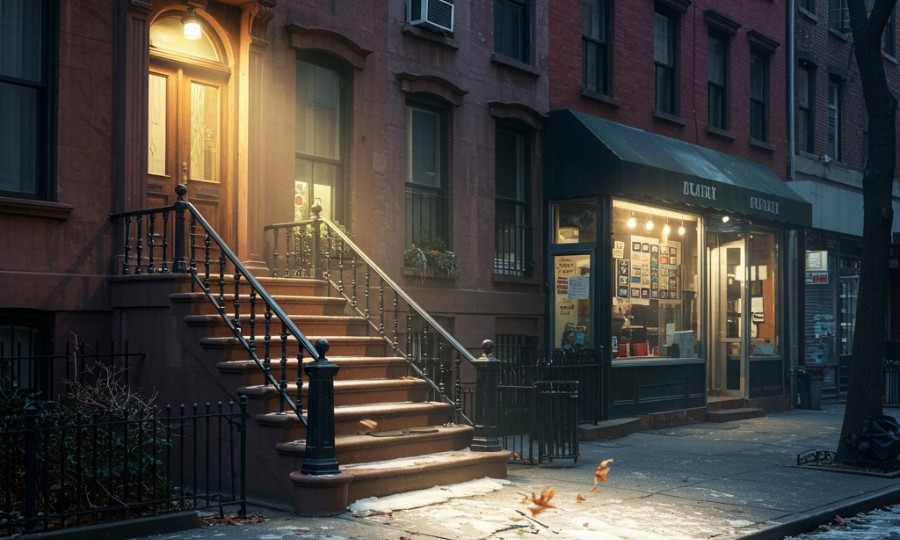
Ever wondered if a stray leaf or a tiny crack on your property could lead to a major headache in New York City? You’re not alone. Navigating the unique landscape of NYC’s premises liability laws can feel like walking a tightrope (especially if that tightrope has a few loose planks!). For property owners, whether you manage a bustling storefront, a multi-unit apartment building, or even a cozy brownstone, understanding your responsibilities isn’t just good practice—it’s absolutely essential to avoid costly legal battles and protect your investment. We know this feels overwhelming, but let’s break it down together.
Here’s the thing: New York City has some pretty specific rules that often go beyond what you might expect in other places, particularly when it comes to sidewalks and public access areas. It’s not just about what happens inside your building; what’s right outside your door matters too. So, what exactly do you need to know about keeping your property safe and staying on the right side of the law?
Understanding Your Core Duty of Care in the Big Apple
At its heart, premises liability in New York State (and thus NYC) hinges on the concept of a ‘duty of care.’ Essentially, property owners have a legal obligation to maintain their premises in a reasonably safe condition for visitors. This doesn’t mean you need to guarantee absolute safety – no one can do that – but you do need to take reasonable steps to prevent foreseeable harm. Think about it: if you own a storefront, you’re expected to keep the aisles clear and the entrance well-lit, right? That’s your duty of care in action.
What constitutes ‘reasonable’ can be tricky, though. It often depends on the type of property, the nature of the hazard, and how long it’s been present. For instance, a landlord has a duty to ensure common areas like stairwells and lobbies are free from dangerous defects. If a handrail is wobbly for weeks and a tenant falls, you can bet that landlord’s going to have some explaining to do. This duty extends not just to tenants or customers, but to anyone lawfully on your property, including delivery drivers or service personnel. You might wonder, does this apply even if I didn’t know about the problem? In many cases, yes, if a reasonable owner should have known.
Navigating NYC-Specific Hazards: Sidewalks, Snow, and Slippery Situations
Now, let’s talk about some of those unique NYC challenges. While property owners across the country deal with slip and falls, New York City adds a layer of complexity, especially concerning sidewalks. Unlike many other municipalities, NYC’s Administrative Code (Section 7-210, if you’re curious) places primary responsibility for the maintenance of sidewalks adjacent to commercial properties directly on the property owner. Yes, you heard that right. This means if someone trips and falls on a broken sidewalk slab outside your retail store, you’re generally on the hook, not the city.
Winter weather also brings its own set of responsibilities. Following a snowstorm, property owners are usually given a window of time (often four hours after the snow stops falling, excluding overnight hours) to clear snow and ice from sidewalks and entrances. Fail to do so, and you’re not just risking a fine; you’re opening yourself up to a premises liability claim if someone slips and gets hurt. Imagine a scenario: it’s January, a heavy snowfall ends at 3 PM, and by 9 AM the next morning, your sidewalk is still a treacherous sheet of ice. If a pedestrian takes a tumble, that’s a clear breach of your duty. Doesn’t that just sound like a recipe for a lawsuit?
Proving Negligence: What Plaintiffs Need to Show in NYC
For a plaintiff to successfully sue you for premises liability in New York, they generally need to prove four key elements: duty, breach, causation, and damages. We’ve talked about duty, but let’s look at the others. ‘Breach’ means you failed to uphold that duty of care (e.g., you didn’t fix a broken step you knew about). ‘Causation’ means your breach was a direct cause of their injury (the broken step caused them to fall). And ‘damages’ are the actual losses they suffered (medical bills, lost wages, pain and suffering).
A critical aspect in many slip and fall cases is proving ‘notice.’ This means the property owner either knew about the dangerous condition (actual notice) or should have known about it because it existed for a long enough time that a reasonable owner would have discovered and fixed it (constructive notice). For example, if a grocery store employee spills a gallon of milk and doesn’t clean it up for an hour, and a customer slips, that’s actual notice. But if a leaky roof has caused a slow drip for weeks, creating a slick spot that eventually causes a fall, that’s more likely constructive notice. This is why regular inspections and diligent maintenance are so incredibly vital.
Practical Steps for NYC Property Owners to Mitigate Risk
So, what can you actually do to protect yourself? Plenty! Being proactive is always your best defense. First, establish a rigorous inspection schedule for your entire property, both indoors and out. Document everything: when you inspected, what you found, and what actions you took. If you fixed a loose tile, record the date and who did the repair. This paper trail can be invaluable if you ever face a claim.
Second, prioritize prompt repairs. Don’t let minor issues fester. A small crack in the pavement today could be a significant trip hazard tomorrow. Third, use appropriate signage. ‘Wet Floor’ signs, ‘Caution: Construction Area’ warnings – these aren’t just suggestions; they’re vital tools for informing visitors of potential hazards. Think about that busy restaurant during peak hours; a spilled drink needs immediate attention and a clear warning sign while it’s being cleaned. Fourth, ensure you have adequate liability insurance. It’s your financial safety net when the unexpected happens, and in a litigious city like New York, you really can’t afford to be without it. What’s worse than a lawsuit? A lawsuit you’re not insured for!
Why Documentation is Your Best Defense
I believe one of the biggest mistakes property owners make is underestimating the power of good record-keeping. It’s not just for tax season! Detailed logs of maintenance, cleaning schedules, and safety inspections can be the difference between a successful defense and a costly settlement. If a tenant claims they reported a broken stair three months ago and you did nothing, but your maintenance log shows it was inspected and repaired two months ago, you’ve got solid evidence. It’s your word against theirs, but with documentation, your word carries a lot more weight.
Lastly, remember New York’s comparative negligence laws. Even if a visitor is injured on your property, their own negligence might reduce the amount of damages they can recover. For instance, if someone is looking at their phone and trips over a clearly visible, well-marked hazard, their own distraction could be considered a contributing factor. It’s not an ‘all or nothing’ system here, which is important to remember.
Navigating NYC’s premises liability laws doesn’t have to be a constant source of anxiety. By understanding your duties, being diligent about maintenance, and meticulously documenting your efforts, you can significantly reduce your risk. After all, you’ve worked hard for your property; shouldn’t you protect it wisely? Don’t wait for an accident to happen. Take control of your property’s safety today. If you’re unsure about specific regulations or a particular hazard, consulting with a legal professional specializing in premises liability in New York City is always a smart next step.
Free Case Consultation
Injured in an accident? Contact Rosenberg, Minc, Falkoff & Wolff for a free and confidential case review with an experienced NYC personal injury attorney.