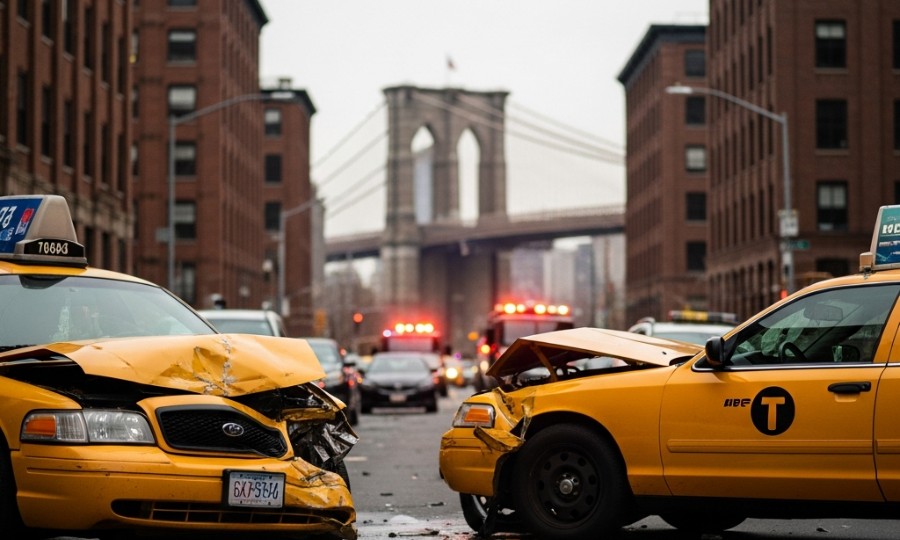
Imagine this: you’re driving through a busy Brooklyn street—maybe heading over the Manhattan Bridge, navigating the tight turns of Dumbo, or cruising down Flatbush Avenue—when suddenly, there’s a jolt, a screech of tires, and the unmistakable sound of metal crunching. In that instant, your world shifts. A car accident in Brooklyn isn’t just a minor inconvenience; it’s a disorienting, often frightening event that can leave you feeling lost and unsure of what to do next. What’s the very first thing you should do when the dust settles, even momentarily? Knowing the immediate, crucial steps can make all the difference, not only for your safety but also for protecting your rights and potential claim.
Prioritize Safety: Secure the Scene and Yourself
Your immediate safety and the safety of others involved should always be your top concern. We know this feels overwhelming, but taking a deep breath and focusing on these initial actions is paramount. First, if your vehicle is still drivable and it’s safe to do so, move it to the side of the road or a nearby shoulder to prevent further collisions. This is a common requirement in many states, including New York, to keep traffic flowing and reduce hazards. If moving isn’t possible or safe (say, if there’s significant damage or injury), leave it where it is and activate your hazard lights. You’ll want to set up flares or warning triangles if you have them, especially if it’s dark or visibility is poor. Why is this so critical? Because a secondary accident could turn a bad situation into a truly tragic one.
Next, check yourself and your passengers for injuries. Even if you feel fine, adrenaline can mask pain, so be thorough. If anyone is injured, or if there’s substantial property damage, call 911 immediately. Don’t hesitate. The New York Police Department (NYPD) will respond to serious accidents, and their official report (often called a ‘police accident report’ or MV-104A) is an invaluable piece of evidence for insurance companies and any legal proceedings. Even for minor fender-benders, it’s generally a good idea to involve the police; an objective third-party report can prevent disputes down the line. Plus, New York State law requires reporting accidents that result in injury or property damage exceeding $1,000 to the Department of Motor Vehicles.
One common concern people have is whether calling the police will automatically lead to a ticket. While it’s possible if you violated a traffic law, the primary benefit of having an official report often outweighs this risk, especially when you’re dealing with potential injuries or significant damage. It’s about establishing facts, not just assigning blame.
Gathering Vital Information: Your Accident Toolkit
Once the scene is secure and emergency services are en route or on the scene, your next priority is to meticulously gather information. Think of yourself as a detective for a moment; every detail, no matter how small it seems, could be crucial later. What exactly should you be looking for?
- Exchange Information: Get the full name, contact information, insurance company and policy number, driver’s license number, and vehicle plate number from all other drivers involved. Don’t just trust them to give it to you; cross-reference with their license and registration. You should also provide your information in return.
- Witnesses: If there are any bystanders who saw the accident, politely ask for their names and contact information. Independent witnesses can provide unbiased accounts that are incredibly valuable.
- Photographs and Videos: This is where your smartphone becomes an essential tool. Take pictures and videos from multiple angles. Capture the damage to all vehicles involved, the position of the cars, skid marks, road conditions, traffic signs, any debris on the road, and even the weather. Don’t forget photos of the other driver’s license plate, insurance card, and driver’s license. The more visual evidence you have, the better.
- Location Details: Note the exact location of the accident, including the street names, nearest cross-streets, and any landmarks (like that famous Brooklyn pizzeria or a specific park).
- Police Report Details: Ask the responding officer for their name, badge number, and the precinct. Crucially, ask how you can obtain a copy of the accident report. In New York City, these reports are usually available online or in person a few days after the incident.
Remember, it’s not the time for casual conversation or admitting fault. Stick to the facts when speaking with others involved or with the police. You’ll want to avoid saying anything like, ‘Oh, I’m so sorry, I didn’t see you!’ Even if you feel apologetic, such statements can be misconstrued as an admission of guilt, potentially jeopardizing your claim.
Reporting and Seeking Medical Attention: Don’t Delay
Even if you feel okay at the scene, seeking medical attention promptly is incredibly important. Many injuries, particularly whiplash or concussions, don’t manifest immediately. Sometimes it takes hours or even a day or two for symptoms to appear. Visiting a doctor or urgent care facility within 24-48 hours establishes a clear link between the accident and any subsequent health issues. This isn’t just about your well-being (which is paramount, of course); it also creates a medical record that’s essential for any personal injury claim. Insurance companies often look for gaps in medical treatment, and delaying care can unfortunately be used against you.
Next, you’ll need to report the accident to your insurance company as soon as possible. Even if you don’t plan to file a claim, your policy likely requires you to notify them. They’ll open a claim, assign an adjuster, and guide you through their specific process. Be honest and factual, providing them with all the information you’ve gathered. Don’t embellish or speculate. They’ll also explain New York’s ‘No-Fault’ insurance laws. Generally speaking, your own insurance company will pay for your medical expenses and lost wages up to your policy limits, regardless of who was at fault for the accident. This is a critical aspect of navigating a Brooklyn car accident, as it streamlines initial recovery efforts.
Protecting Your Rights: When to Consult a Professional
After an accident, especially one involving injuries or significant damage, you might be thinking this won’t work because you’re already overwhelmed. However, this is precisely when professional guidance becomes invaluable. While you’re dealing with the immediate aftermath, property damage, and potentially painful injuries, an experienced personal injury attorney can handle the complex legal and insurance aspects.
Here’s the thing: insurance adjusters work for their company, not for you. Their goal is to settle claims for the lowest possible amount. An attorney, on the other hand, works solely to protect your interests. They can help you understand your rights under New York law, negotiate with insurance companies, ensure you receive fair compensation for medical bills, lost wages, pain and suffering, and even represent you in court if necessary. In most cases, personal injury attorneys work on a contingency fee basis, meaning you don’t pay anything unless they win your case, which can be a huge relief during a stressful time.
For example, let’s say you were hit by a commercial vehicle on the Brooklyn-Queens Expressway. The legal complexities involving commercial insurance policies and corporate liability are far greater than a typical two-car collision. Or perhaps you sustained a back injury that requires ongoing physical therapy, and the insurance company is trying to cut off your benefits prematurely. These are scenarios where having a legal advocate is not just helpful, it’s essential for navigating the system and ensuring your long-term well-being and financial stability.
Moving Forward: Your Next Steps
A car accident in Brooklyn is a jarring experience, but by following these immediate steps, you can secure your safety, protect your legal rights, and lay the groundwork for a successful recovery. From ensuring the scene is safe and collecting thorough evidence to promptly seeking medical attention and understanding your insurance options, each action builds a stronger foundation for your future. Don’t go it alone; remember that professional help is available to guide you through this challenging time. Your focus should be on healing and recovery, knowing that the immediate steps you took have set you on the right path.
This article was drafted with AI assistance. Please verify all claims and information for accuracy. The content is for informational purposes only and does not constitute professional advice.
Free Case Consultation
Injured in an accident? Speak directly with an experienced NYC personal injury attorney at
Rosenberg, Minc, Falkoff & Wolff.
Your consultation is free, confidential, and risk-free.
No obligation – No upfront fees – You don’t pay unless we win
Follow RMFW Law for legal insights and case results: