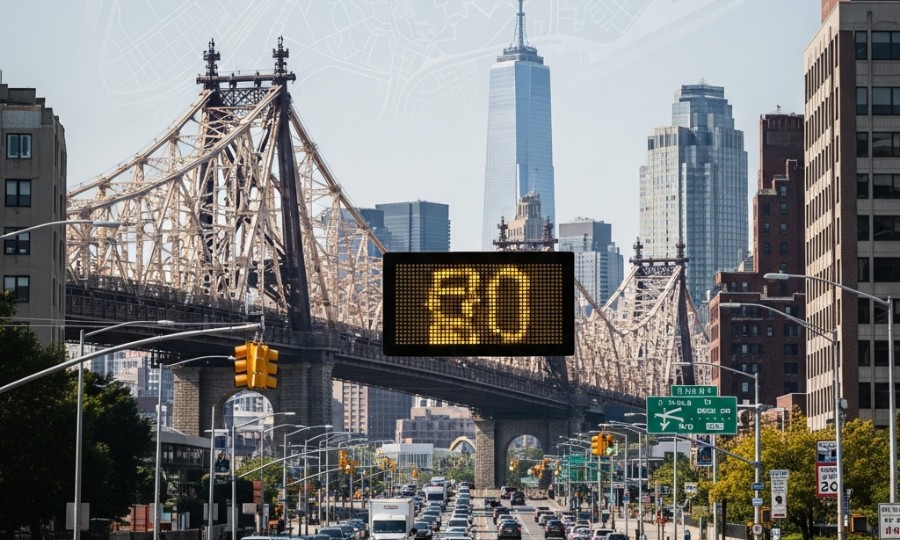
Are you a Queens driver feeling a bit overwhelmed by all the buzz around New York’s upcoming traffic law changes for 2025? You’re certainly not alone. It seems like every time you turn around, there’s a new regulation hitting the road, and honestly, keeping up can feel a lot like navigating rush hour traffic blindfolded. But don’t worry, we’re here to help clear the air. We’ll break down exactly what these significant updates to New York’s Vehicle and Traffic Law mean for you, specifically focusing on how they’ll impact Queens commuters, families, and businesses.
It’s easy to get frustrated with new rules, especially when they affect your daily routine and your wallet. However, understanding these changes now, before they fully kick in, can save you a lot of headaches (and potential fines!) down the line. We’re talking about everything from significantly lower speed limits, thanks to Sammy’s Law, to a revamped DMV point system that could lead to much stricter penalties, and the much-discussed implications of congestion pricing for anyone driving into Manhattan. Let’s dive in and get you fully up to speed.
Sammy’s Law: Lowering Speed Limits for Safer Queens Streets
Perhaps one of the most impactful changes coming to New York City streets, including those in Queens, is the implementation of Sammy’s Law. This crucial piece of legislation, named in memory of Sammy Cohen Eckstein, a 12-year-old tragically killed by a speeding driver, empowers New York City to reduce its default speed limits. Currently, the city-wide speed limit is 25 mph, but under Sammy’s Law, the city will have the authority to lower this to 20 mph in most areas, and even as low as 15 mph in designated school zones or other particularly vulnerable safety corridors.
What does this mean for your daily drive through Queens? Imagine navigating the residential streets of Kew Gardens, Bayside, or Astoria. What used to be a 25 mph zone could easily become 20 mph, requiring a noticeable adjustment to your speed. While it might feel like a minor inconvenience at first, isn’t prioritizing the safety of pedestrians, cyclists, and especially children, always a good trade-off? The data consistently shows that even a small reduction in speed can dramatically decrease the severity of injuries in the event of a collision. For example, a pedestrian struck by a vehicle traveling at 20 mph has a significantly higher chance of survival compared to one struck at 30 mph.
You’ll need to be extra vigilant for new signage, particularly around schools, parks, and busy community centers. Enforcement will undoubtedly increase as these new limits roll out, so adjusting your driving habits now is a smart move. This isn’t just about avoiding a ticket; it’s about contributing to a safer environment for everyone who shares our bustling borough.
Navigating the New DMV Point System: Stricter Penalties Ahead
Beyond speed limits, New York’s DMV point system is also undergoing a significant overhaul for 2025, and this is something every Queens driver needs to pay close attention to. The goal of these revisions is clear: to deter repeat offenders and encourage safer driving practices across the state. The truth is, even minor infractions could accumulate points quicker than before, potentially leading to faster license suspension.
So, what does this actually mean for you? Certain violations may carry more points, or the threshold for license suspension might be lowered. For instance, while specific new point values are still being finalized, it’s reasonable to anticipate that offenses like using a cell phone while driving (already a 5-point offense) or aggressive speeding could push you towards a suspension limit much faster. Let’s consider a realistic scenario: you receive a ticket for failing to yield to a pedestrian (which typically carries 3 points), and then a few months later, you’re caught going 15 mph over the limit in a 30 mph zone (which could be 4-6 points depending on the exact speed). Under a stricter system, these combined offenses could put your license in jeopardy much more quickly than you might expect.
Are you confident you know all the current (and upcoming) point values for common violations? It’s crucial to stay informed. A license suspension can be devastating, especially for those in Queens who rely on their vehicles for work, family responsibilities, or simply navigating our expansive borough. This really underscores the importance of defensive driving and maintaining a clean record. It’s not just about paying a fine; it’s about preserving your ability to drive.
Congestion Pricing: A New Cost for Manhattan-Bound Queens Drivers
Perhaps the most talked-about change, and one that directly impacts countless Queens commuters, is the implementation of congestion pricing. Set to launch in 2025, this program will introduce a fee for driving into Manhattan’s Central Business District (specifically, below 60th Street) during peak hours. The primary objectives are laudable: to reduce traffic gridlock, improve air quality in the city, and generate revenue to fund critical public transit improvements (like those MTA projects we all want to see completed!).
For many Queens residents, this isn’t just a minor fee; it’s a significant new line item in your monthly budget. While the exact fee structure has seen some adjustments, the Metropolitan Transportation Authority (MTA) has approved a base rate of $15 for passenger vehicles entering the zone during peak hours, with potentially lower rates for off-peak times and various discounts or exemptions for specific groups, like low-income drivers or emergency vehicles. Imagine a small business owner in Long Island City who regularly makes deliveries to downtown Manhattan. This new fee could add hundreds of dollars a month to their operational costs, forcing them to re-evaluate routes, delivery schedules, or even modes of transport.
This change undoubtedly feels like a tough pill to swallow for many, especially those who feel they have limited public transit options for their specific commute. However, it might also be the push you needed to finally try the subway or LIRR for your commute, explore carpooling with neighbors, or even discuss hybrid work arrangements with your employer. The MTA’s robust network, especially from Queens, offers viable alternatives that, while perhaps not as convenient as driving door-to-door, could save you money and stress in the long run. Planning your route and considering all your options before 2025 is an absolute must.
Preparing for the Road Ahead
The upcoming changes to New York’s Vehicle and Traffic Law for 2025 are significant, impacting everything from how fast you can drive on your local Queens streets to the cost of commuting into Manhattan and the consequences of traffic violations. We know this feels like a lot to absorb, and you might even be thinking that these new rules are just more burdens on already busy lives. But I believe these changes, while challenging, aim for a greater good: safer roads, cleaner air, and a better-funded public transportation system for all New Yorkers.
So, what should you do now? Your first step is to stay informed. Regularly check official sources like the New York State Department of Motor Vehicles (DMV) website for the latest on point system revisions and Sammy’s Law implementation details. For congestion pricing, the MTA’s official site will provide the most up-to-date information on fees, exemptions, and operational hours. Also, take a moment to evaluate your daily driving habits. Could you benefit from a defensive driving course? Are there public transit options you haven’t fully explored for your Manhattan commute?
While change can be tough, understanding these updates is your first step toward a smoother, safer, and potentially more cost-effective 2025 on New York’s roads. Drive safely, Queens!
This article was drafted with AI assistance. Please verify all claims and information for accuracy. The content is for informational purposes only and does not constitute professional advice.
Free Case Consultation
Injured in an accident? Speak directly with an experienced NYC personal injury attorney at
Rosenberg, Minc, Falkoff & Wolff.
Your consultation is free, confidential, and risk-free.
No obligation – No upfront fees – You don’t pay unless we win
Follow RMFW Law for legal insights and case results: