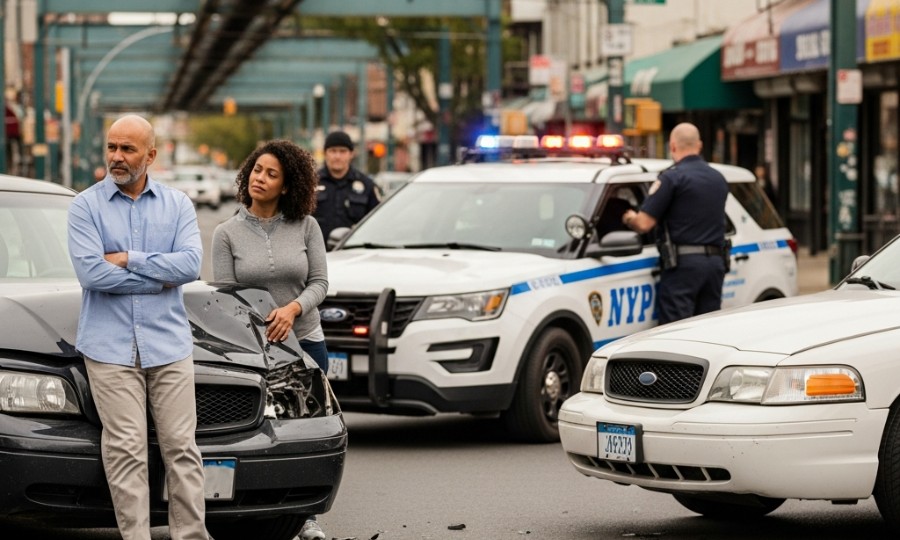
Imagine this: You’re driving through Queens, perhaps on the Long Island Expressway or a familiar neighborhood street in Astoria, when suddenly, bam! A car accident. Your head is spinning, your car’s damaged, and a million questions race through your mind. Beyond the immediate shock, you’re probably wondering, “How am I going to pay for this? What about my medical bills? And what if I can’t work?”
This is where New York’s unique “no-fault” insurance system comes into play, and frankly, understanding your rights after a Queens car accident can feel overwhelming. But here’s the thing: it’s absolutely crucial for protecting your financial and physical well-being. We’re going to demystify the complexities of no-fault law, empowering you with the knowledge you need to navigate this challenging time.
What Exactly is No-Fault Insurance in New York?
New York is one of a handful of states that operates under a no-fault insurance system. What does that mean for you? Essentially, if you’re involved in a car accident, your own insurance company (specifically, your Personal Injury Protection, or PIP, coverage) is the first to pay for your medical expenses and lost wages, regardless of who was actually at fault for the collision. Sounds straightforward, right? In theory, yes, it’s designed to streamline the process, ensuring you get immediate medical care without waiting for fault to be determined.
This system aims to reduce litigation for minor injuries, allowing people to get back on their feet faster. Your no-fault benefits cover what’s known as “basic economic loss,” which includes several key areas:
- Medical Expenses: This is the big one. No-fault covers reasonable and necessary medical, hospital, surgical, nursing, dental, ambulance, x-ray, prescription drug, and prosthetic services. It also includes psychiatric, physical therapy, and occupational therapy and rehabilitation.
- Lost Earnings: If your injuries prevent you from working, no-fault can cover 80% of your lost earnings, up to a maximum of $2,000 per month, for up to three years from the date of the accident.
- Other Necessary Expenses: This can include things like transportation to medical appointments, or even reasonable expenses for household help if your injuries prevent you from performing daily tasks.
The standard basic economic loss coverage in New York is $50,000 per person. This means your insurance company will pay up to $50,000 for all these combined expenses.
Decoding Your No-Fault Benefits: What’s Covered (and What Isn’t)
While no-fault insurance is a lifesaver for many, it’s not a blank check. Understanding the specifics of what’s covered, and what isn’t, is vital. For instance, that $50,000 limit might sound like a lot, but medical treatments, especially for more serious injuries, can add up quickly. (We’ll talk about what happens when you hit that limit in a moment.)
Let’s consider Maria, a Queens resident who was involved in a rear-end collision on Northern Boulevard. She suffered whiplash and needed weeks of physical therapy, along with some time off from her job as a retail manager. Her no-fault benefits would kick in to cover her chiropractor visits, prescription pain medication, and a portion of her lost wages. She wouldn’t have to wait for the other driver’s insurance to approve her initial treatment, which is a huge relief when you’re in pain.
However, no-fault generally doesn’t cover property damage to your vehicle – that falls under the collision coverage part of your policy, or the at-fault driver’s property damage liability. And critically, no-fault doesn’t cover pain and suffering. This is a common misconception, and it’s where the “serious injury” threshold becomes incredibly important.
The Critical Timeline: Don’t Miss These Deadlines!
When you’re reeling from an accident, deadlines are probably the last thing on your mind. But in the world of no-fault, they’re everything. Missing a deadline can jeopardize your right to benefits, so listen closely.
The most crucial deadline is the 30-day rule for filing a no-fault application. You must notify your insurance company of the accident and submit a completed Application for Motor Vehicle No-Fault Benefits (often called an NF-2 form) within 30 days of the accident. This isn’t just a suggestion; it’s a hard deadline set by New York law. If you don’t submit it in time, your insurer could deny your claim, leaving you responsible for all those bills. Are you sure you know all the deadlines for medical treatment submissions and follow-ups?
Generally speaking, you should also seek medical attention as soon as possible after an accident, even if you feel fine initially. Many injuries, like whiplash or concussions, can have delayed symptoms. Getting promptly evaluated creates a clear record that links your injuries to the accident, which is crucial for your no-fault claim.
When No-Fault Isn’t Enough: The “Serious Injury” Threshold
So, what happens if your injuries are more severe than what the $50,000 no-fault limit can cover, or if you want to seek compensation for pain and suffering? This is where New York’s “serious injury” threshold comes into play. To step outside the no-fault system and pursue a personal injury lawsuit against the at-fault driver for non-economic damages (like pain and suffering), you must prove that you sustained a “serious injury” as defined by the New York Insurance Law.
The law outlines specific categories that constitute a serious injury, including:
- Death
- Dismemberment
- Significant disfigurement
- Fracture
- Loss of a fetus
- Permanent loss of use of a body organ, member, function, or system
- Permanent consequential limitation of use of a body organ or member
- Significant limitation of use of a body function or system
- A medically determined injury or impairment of a non-permanent nature which prevents the injured person from performing substantially all of the material acts which constitute such person’s usual and customary daily activities for not less than 90 days during the 180 days immediately following the occurrence of the injury or impairment.
Let’s consider David, who was hit by a distracted driver near Flushing Meadows-Corona Park. He suffered a complex fracture in his leg requiring multiple surgeries and extensive rehabilitation, leaving him with a permanent limitation in his mobility. David’s medical bills quickly surpassed the $50,000 no-fault limit, and his life was significantly altered. In his case, he would likely meet the serious injury threshold, allowing him to pursue a claim against the at-fault driver for additional compensation, including pain and suffering.
Navigating the Aftermath: Practical Steps After a Queens Accident
Being prepared can make all the difference. If you find yourself in an accident in Queens, here are some crucial steps:
- Ensure Safety First: Move your vehicle to a safe location if possible. Check for injuries.
- Exchange Information: Get the other driver’s name, contact info, insurance company and policy number, driver’s license number, and license plate number.
- Call the Police: Even for minor accidents, a police report can be incredibly valuable for your insurance claim.
- Seek Medical Attention: As we discussed, get checked out by a doctor, even if you feel okay. Follow all medical advice and keep records of every visit and treatment.
- Notify Your Insurance Company: Do this promptly. Remember that 30-day deadline for the NF-2 form!
- Document Everything: Take photos of the accident scene, vehicle damage, and any visible injuries. Keep a detailed log of your symptoms, medical appointments, and any missed work.
You might wonder, what if the other driver doesn’t have insurance? New York law requires uninsured motorist coverage, which can provide protection in such scenarios, but that’s a whole other conversation. The core takeaway here is prompt action and thorough documentation.
We know this feels overwhelming, and you might be thinking this won’t work because the system is too complicated. But understanding your rights and acting decisively are your best defenses. New York’s no-fault system is designed to provide a safety net for accident victims, ensuring you can access critical medical care and recover lost wages. However, the intricacies of the law, especially around the serious injury threshold and strict deadlines, mean that navigating it alone can be challenging.
If you’ve been in a car accident in Queens, don’t leave your rights to chance. Consulting with a legal professional who understands New York’s no-fault laws can provide invaluable guidance, ensuring you maximize your benefits and pursue all available avenues for compensation. They can help you understand your specific situation, meet critical deadlines, and advocate on your behalf, allowing you to focus on your recovery.
Free Case Consultation
Injured in an accident? Contact Rosenberg, Minc, Falkoff & Wolff for a free and confidential case review with an experienced NYC personal injury attorney.