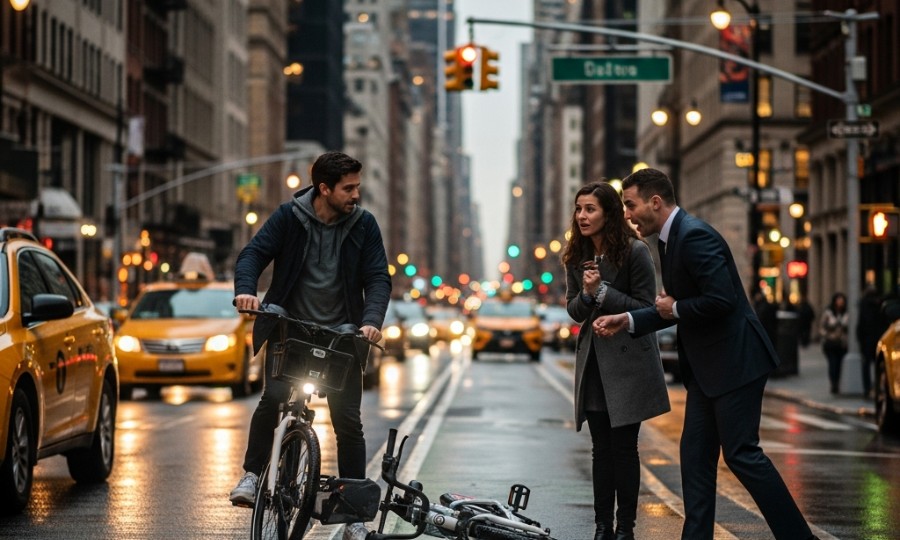
New York City’s streets are always evolving, aren’t they? And lately, a big part of that evolution has been the explosion of e-bikes and e-scooters. They’re convenient, they’re quick, and they’ve become an indispensable part of daily life for many New Yorkers. But with this surge in popularity comes a less talked-about consequence: a significant increase in accidents involving these devices. If you’re a rider, a pedestrian, or even a driver, you might be wondering, “What happens if I’m involved in an e-bike or e-scooter accident in NYC, especially concerning no-fault insurance?” It’s a complex area, and understanding your rights is absolutely crucial.
The E-Bike and E-Scooter Boom: A New Urban Reality
From delivery services zipping through traffic to daily commuters opting for a faster, greener ride, e-bikes and e-scooters have undeniably reshaped how we navigate the five boroughs. They offer a fantastic blend of exercise and efficiency, helping us beat the often-frustrating city gridlock. But let’s be honest, their rapid integration hasn’t been without its challenges. The sheer volume of these devices, combined with varying levels of rider experience and pedestrian awareness, has unfortunately led to a noticeable uptick in collisions. We know this feels overwhelming, particularly when you’re trying to figure out if the existing legal framework can keep up with these new modes of transportation. You might be thinking this won’t work because the rules were made for cars, right? The truth is, it’s a bit more nuanced than that.
Navigating No-Fault: What You Need to Know in NYC
New York State operates under a “no-fault” insurance system for motor vehicle accidents. This means that if you’re injured in a car crash, your own insurance policy (or the policy of the vehicle you were in) generally covers your medical expenses and lost wages, regardless of who was at fault. It’s designed to streamline the process of getting basic benefits quickly. Here’s the thing, though: the definition of a “motor vehicle” under New York’s no-fault law is quite specific. Generally speaking, e-bikes and e-scooters are not considered “motor vehicles” for no-fault insurance purposes under the current statutory framework, which can create some confusing gaps in coverage. So, if you’re hit by a car while on your e-bike, does no-fault apply to you from the car’s insurance? And what if an e-scooter hits you as a pedestrian?
When No-Fault Kicks In (and When It Doesn’t)
Understanding the nuances of New York’s no-fault law concerning e-bikes and e-scooters is absolutely vital. The application of these rules can vary significantly depending on who you are and what hit you.
Scenario 1: You’re an E-Bike or E-Scooter Rider Hit by a Motor Vehicle
This is often the clearest path to no-fault benefits for an e-bike or e-scooter rider. If you’re riding your e-bike or e-scooter and a traditional motor vehicle (like a car, truck, or taxi) collides with you, you’re generally entitled to receive no-fault benefits from the motor vehicle’s insurance policy. This coverage, often referred to as Personal Injury Protection (PIP), will help cover your medical bills, lost wages, and other necessary expenses up to the policy limit, typically $50,000. It’s a lifesaver for many, as it provides immediate financial relief for injuries sustained in such an accident. For example, imagine Mark, a delivery rider, is on his e-bike and gets T-boned by a car making an illegal turn. Mark’s medical bills and lost earnings would likely be covered by the car’s no-fault insurance, even if he wasn’t carrying his own personal auto insurance.
Scenario 2: You’re a Pedestrian Hit by an E-Bike or E-Scooter
This scenario presents a different set of challenges because, as we’ve discussed, e-bikes and e-scooters aren’t typically classified as “motor vehicles” for no-fault purposes. If you’re walking in NYC and an e-bike or e-scooter rider collides with you, the rider’s personal health insurance would likely be your primary source of medical coverage. However, there are other potential avenues for compensation. If you have your own personal automobile insurance policy, it might provide coverage as a pedestrian, even if no car was involved. Similarly, if you live in a household with someone who has an auto insurance policy, you might be covered under their policy’s no-fault provisions. If these options aren’t available, or if the e-bike/e-scooter rider is uninsured or flees the scene, you might be able to seek benefits from the Motor Vehicle Accident Indemnification Corporation (MVAIC). MVAIC is a state-funded entity designed to provide no-fault benefits and bodily injury coverage to qualified victims of motor vehicle accidents who have no other recourse. It’s an important safety net, especially in a city like ours. Consider Sarah, who’s crossing the street legally and is struck by a speeding e-scooter. The rider doesn’t stop. Sarah can’t rely on the scooter’s non-existent no-fault. If she has her own car insurance or lives with a family member who does, she might claim benefits there. Otherwise, MVAIC could be a critical resource for her medical expenses.
Scenario 3: E-Bike or E-Scooter Rider Collides with Another E-Bike/E-Scooter or Falls Alone
In these situations, where no traditional “motor vehicle” is involved, the no-fault system generally doesn’t apply in the same way. If you collide with another e-bike or e-scooter, or if you simply lose control and fall, your own health insurance would be your primary source of medical coverage. If another rider’s negligence caused your accident, you could potentially pursue a personal injury lawsuit against them to recover damages beyond what your health insurance covers, such as pain and suffering. This is where the intricacies of personal liability and negligence become paramount. You might wonder, “Isn’t there any other insurance?” Sometimes, homeowners’ or renters’ insurance policies might offer some limited liability coverage for the e-bike/e-scooter operator if they cause an injury, but it’s rarely designed for your own medical expenses as a rider.
Beyond No-Fault: Seeking Compensation for Serious Injuries
Even when no-fault benefits cover initial medical expenses and lost wages, they don’t cover everything. Specifically, no-fault does not compensate you for pain and suffering. To pursue a claim for pain and suffering against a negligent party in New York, you typically need to demonstrate that you’ve sustained a “serious injury” as defined by state insurance law. This definition includes categories like fractures, significant disfigurement, permanent loss of use of a body organ, member, function, or system, or a non-permanent injury that prevents you from performing substantially all of your usual daily activities for at least 90 out of the first 180 days following the accident. In my experience, even if no-fault doesn’t seem to apply, a serious injury might still open the door to a personal injury lawsuit against the at-fault party, whether it’s a careless driver, a negligent e-bike rider, or even a municipality if road conditions were a factor.
What to Do After an E-Bike or E-Scooter Accident in NYC
Being involved in an accident, especially in a bustling city like New York, can be disorienting and frightening. But taking immediate, thoughtful steps can significantly impact your ability to secure the compensation and care you deserve. Isn’t it better to understand your rights before you need them?
- Prioritize Your Health: Your immediate priority should always be medical attention. Even if you feel fine, some injuries aren’t immediately apparent. Get checked out by a doctor as soon as possible.
- Report the Incident: If a motor vehicle was involved, or if you suffered significant injuries as a pedestrian hit by an e-bike/e-scooter, contact the NYPD. A police report creates an official record of the accident, which is invaluable for insurance claims and legal proceedings.
- Gather Evidence: If you’re able, take photos or videos of the accident scene, any visible injuries, the vehicles/devices involved, and road conditions. Collect contact information from any witnesses and the other party involved.
- Notify Your Insurance: Even if you’re unsure about coverage, notify your own health insurance and, if applicable, your auto insurance provider. They can guide you on potential benefits.
- Consult a Legal Professional: This is perhaps the most critical step. The laws surrounding e-bike and e-scooter accidents in NYC are complex and continually evolving. An experienced personal injury attorney can assess your unique situation, help you understand your no-fault rights, navigate insurance claims, and determine the best course of action to pursue compensation.
The rise of e-bikes and e-scooters brings exciting new ways to move around our incredible city, but it also introduces new legal complexities when accidents occur. While New York’s no-fault system offers crucial protections for victims of motor vehicle accidents, its application to e-bike and e-scooter incidents isn’t always straightforward. We’re here to help you make sense of it all. Don’t navigate these challenging waters alone; understanding your specific rights and options is your first step toward recovery.
This article was drafted with AI assistance. Please verify all claims and information for accuracy. The content is for informational purposes only and does not constitute professional advice.
Free Case Consultation
Injured in an accident? Speak directly with an experienced NYC personal injury attorney at
Rosenberg, Minc, Falkoff & Wolff.
Your consultation is free, confidential, and risk-free.
No obligation – No upfront fees – You don’t pay unless we win
Follow RMFW Law for legal insights and case results: