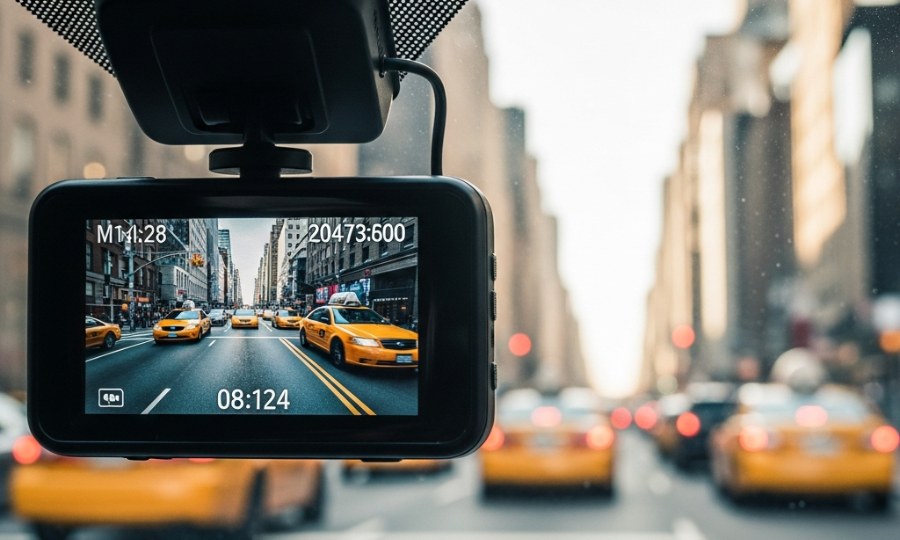
How to Use Dash Cam Footage as Evidence in NYC Rear-End Collisions
Navigating the aftermath of a car accident in New York City can be complex. Rear-end collisions, while often appearing straightforward, can still lead to disputes over fault and the extent of injuries. Fortunately, dash cam footage offers an unbiased witness. This guide explains how you can effectively use dash cam evidence to prove fault, prevent fraudulent claims, and significantly strengthen your personal injury case.
Key Takeaways
- Dash cam footage can increase compensation by an average of 30% by unequivocally proving fault in NYC rear-end collisions.
- New York law requires reporting accidents with injury or significant damage to the police; obtain a copy of the police report promptly.
- Over 25% of all New York City traffic collisions are rear-end accidents, making dash cam evidence increasingly vital for proving liability.
- Many accident victims who retain legal counsel receive three times more compensation than those who handle claims independently.
As a trusted NYC personal injury lawyer, we understand the value of clear, irrefutable evidence. Dash cams provide just that. They capture critical moments, protecting you from false accusations and ensuring your voice is heard.
What You’ll Need
- A properly installed dash cam with sufficient recording capacity.
- Knowledge of New York’s no-fault insurance system.
- Prompt access to legal counsel after an accident.
- Understanding of evidence preservation techniques.
Step 1: Choose and Install Your Dash Cam Wisely
The effectiveness of your dash cam begins with its selection and installation. Choose a dash cam that records in high definition, ideally 1080p or higher. Look for models with a wide-angle lens, ensuring broad coverage of the road ahead. Many quality dash cams offer continuous loop recording. This feature overwrites old footage only when the memory card is full. This prevents you from running out of space.
Install the dash cam securely on your windshield. Ensure it has an unobstructed view of the road. Most importantly, connect it to a power source that activates when your vehicle starts. This guarantees it records every time you drive. Consider a dual-channel dash cam that records both front and rear views. This offers comprehensive protection. Rear-end collisions specifically benefit from rear-facing cameras.
Pro tip: Always choose a dash cam with a G-sensor. This feature automatically saves and locks footage upon impact. This prevents it from being overwritten later.
Step 2: Understand New York’s No-Fault Insurance Laws
New York operates under a no-fault insurance system. This means your own insurance company generally pays for your medical expenses and lost wages up to a certain limit, regardless of who caused the accident. However, the no-fault system does not eliminate the need to prove fault for serious injuries. If your injuries meet the serious injury threshold defined by New York law, you can pursue a personal injury claim against the at-fault driver.
Dash cam footage becomes invaluable in these situations. It provides objective evidence of negligence. This evidence helps establish liability beyond the no-fault benefits. It clearly shows the actions leading up to the rear-end collision. This can include sudden braking, distracted driving, or aggressive maneuvers by the other driver. Understanding these laws helps you prepare your case correctly.
Watch out: Do not assume no-fault means fault is irrelevant. Proving the other driver’s negligence remains critical for significant compensation.
Step 3: Secure Your Dash Cam Footage Immediately After an Accident
After a rear-end collision, preserving your dash cam footage is paramount. Most dash cams have an emergency save function. Activate this immediately if possible. If your dash cam has continuous loop recording, the relevant footage might eventually be overwritten. Therefore, you must extract it promptly. Remove the memory card and store it safely. Do not continue using the card for recording.
Transfer the footage to a computer or cloud storage. Make multiple copies to ensure its preservation. Digital evidence can be fragile. A corrupted card or accidental deletion could compromise your case. Your attorney will need an unedited, clear copy of this footage. Taking these steps quickly ensures this crucial evidence is available for review. This quick action can make a significant difference.
Pro tip: Back up the footage to at least two different locations. This could include a hard drive, a USB stick, or a secure cloud service. This redundancy protects your evidence.
Step 4: Document the Entire Accident Scene Thoroughly
Dash cam footage is powerful, but it is one piece of the puzzle. Supplement it with other critical evidence from the accident scene. Take clear photos and videos with your smartphone. Capture vehicle damage, road conditions, traffic signs, and any visible injuries. Exchange insurance and contact information with all parties involved. Obtain contact details for any witnesses present.
Additionally, note the exact date, time, and location of the collision. Specifically, write down the street names and cross streets in New York City. This comprehensive documentation supports your dash cam evidence. It provides context and strengthens your overall claim. This diligence helps build a robust case.
Watch out: Prioritize your safety and medical attention. Only document the scene if it is safe to do so. Your health is the most important consideration.
Step 5: Report the Accident to Authorities and Your Insurer Promptly
New York law requires you to report accidents involving injury, death, or significant property damage to the police. Call 911 immediately if anyone is injured. File a police report. This report creates an official record of the incident. It also includes initial observations by law enforcement. Obtain a copy of this report for your records.
Next, notify your insurance company about the accident. Do this as soon as possible, ideally within 24 hours. Provide them with accurate, factual information. Do not speculate about fault or the extent of your injuries. Your dash cam footage provides objective facts. Mention that you possess dash cam footage. This can influence how they approach your claim from the outset. Early reporting prevents delays.
Pro tip: Stick to the facts when speaking with police and insurers. Provide only information you know to be true. Avoid making any statements that could be misinterpreted as admitting fault.
Step 6: Consult with an Experienced New York Personal Injury Attorney
After securing your dash cam footage and documenting the scene, your next crucial step is contacting a qualified personal injury attorney. An attorney can evaluate your case. They will understand the nuances of New York’s no-fault laws. They know how to leverage dash cam footage effectively. This objective evidence can be a game-changer. It helps prove the other driver’s negligence.
An attorney protects your rights. They handle all communication with insurance companies. They can also prevent you from making statements that might harm your claim. Many accident victims in New York City receive significantly higher compensation with legal representation. Do not delay seeking professional guidance. Early legal involvement helps immensely.
Pro tip: Schedule a consultation with an attorney as soon as possible. Delaying this step can sometimes complicate evidence gathering or legal deadlines.
Step 7: Prepare Your Dash Cam Footage for Legal Review
Once you have retained legal counsel, your attorney will guide you on preparing your dash cam footage. They will ensure it meets legal standards for admissibility. This often involves creating a clear, unedited copy of the relevant sections. Your attorney may work with forensic experts. These experts can authenticate the footage. This is important to verify its integrity.
The footage will be used to demonstrate key aspects of the accident. It shows vehicle speeds, points of impact, and traffic conditions. It can also reveal the other driver’s actions, such as speeding or texting. Properly prepared dash cam footage is a powerful tool. It significantly strengthens your negotiating position. This preparation is a critical step.
Watch out: Never edit, trim, or alter your dash cam footage in any way. Doing so could render it inadmissible in court. It might also damage your credibility.
Step 8: Navigate the Claims Process with Legal Guidance
With an experienced attorney by your side, you can confidently navigate the complex claims process. Your attorney will submit your dash cam footage along with other evidence. This includes medical records and accident reports. They will negotiate with the at-fault driver’s insurance company. The footage often compels insurers to acknowledge fault more readily.
If a fair settlement cannot be reached, your attorney will be prepared to take your case to court. Dash cam footage can be compelling evidence for a jury. It presents an objective account of the collision. This helps ensure you receive the full compensation you deserve. This includes medical bills, lost wages, and pain and suffering. A strong legal strategy, supported by clear evidence, ensures the best possible outcome.
Pro tip: Your attorney handles all communications with opposing parties. This allows you to focus on your recovery. They advocate for your best interests.
Confidently Address NYC Rear-End Collisions
Using dash cam footage as evidence in NYC rear-end collisions is a smart, proactive step. It provides an undeniable account of what happened. This guide outlined essential steps from installation to legal review. Each action helps secure your claim. Remember, immediate action after an accident is crucial.
Securing your footage, documenting the scene, and seeking prompt legal counsel are paramount. An experienced NYC car accident lawyer can transform your dash cam evidence into a powerful tool. They will help you achieve the justice and compensation you deserve. Protect yourself and drive confidently.
Related Reading
Frequently Asked Questions
Is dash cam footage admissible in a New York personal injury case?
Yes, dash cam footage is generally admissible in New York personal injury cases as evidence. It must be authentic, relevant, and properly preserved. An attorney helps ensure its integrity and legal presentation for court.
How quickly should I secure my dash cam footage after an NYC accident?
You should secure your dash cam footage immediately after an accident. Most dash cams have continuous loop recording, meaning older footage can be overwritten within hours or days. Promptly remove the memory card and back up the files.
Does a dash cam help if New York is a no-fault state?
Even in New York’s no-fault system, a dash cam is highly beneficial. While no-fault covers initial medical bills, clear footage helps prove fault for serious injuries. This allows you to pursue claims for pain and suffering and other damages beyond basic no-fault benefits.
This article was drafted with AI assistance. Please verify all claims and information for accuracy. The content is for informational purposes only and does not constitute professional advice.
Free Case Consultation
Injured in an accident? Speak directly with an experienced NYC personal injury attorney at
Rosenberg, Minc, Falkoff & Wolff.
Your consultation is free, confidential, and risk-free.
No obligation – No upfront fees – You don’t pay unless we win
Follow RMFW Law for legal insights and case results: