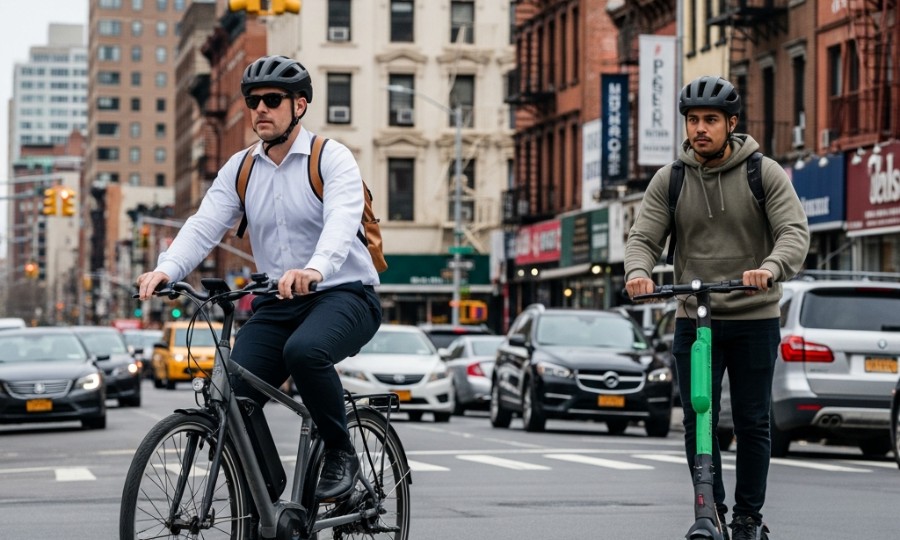
Have you noticed it? That quiet hum zipping past you on the sidewalk, or the sudden blur of an electric scooter navigating traffic with surprising speed? If you’re an NYC pedestrian, you’re not alone in observing the dramatic rise of e-bikes and e-scooters. While these devices offer convenience for many, their proliferation has unfortunately brought a significant, and often dangerous, surge in accidents. We’re talking about a real shift in our urban landscape, and frankly, it’s something we all need to understand better.
The Evolving NYC Streetscape: A New Era of Mobility and Risk
New York City has always been a city on the move, but the last few years have introduced a whole new dimension to urban transit. E-bikes and e-scooters, once niche modes of transport, are now an undeniable part of our daily lives, particularly for essential workers and commuters. But here’s the thing: with great convenience can come new risks. Data from agencies like the NYPD and the NYC Department of Health and Mental Hygiene (DOHMH) consistently points to a concerning uptick in accidents involving these electric devices. We’re seeing more emergency room visits for injuries ranging from minor scrapes to severe trauma, affecting both riders and, critically, pedestrians. It’s not just about a few isolated incidents; it’s a trend, and it’s reshaping how we interact with our streets.
Decoding the Legal Labyrinth: Who’s Responsible When Things Go Wrong?
One of the biggest headaches (literally, in some cases) arising from this surge is the complex legal landscape. You might wonder, ‘If an e-bike hits me, is it treated like a car accident or a bicycle accident?’ The truth is, it’s complicated, and the answer often depends on the type of device and how it’s being operated. New York State has specific laws classifying different types of e-bikes and e-scooters, outlining where they can be ridden and at what speeds. For instance, ‘Class 1’ and ‘Class 2’ e-bikes are generally allowed wherever traditional bikes can go, while ‘Class 3’ e-bikes (which have higher speed limits) might be restricted to certain areas. But despite these regulations, enforcement can be challenging, leaving pedestrians in a gray area when an accident occurs. Usually, when you’re hit by a motor vehicle, there’s a clear path for seeking compensation through auto insurance. With e-bikes and e-scooters, however, it’s not always so straightforward. Often, these devices aren’t covered by traditional auto insurance policies, leading to potential disputes about who bears the financial responsibility for medical bills, lost wages, and pain and suffering. It’s a frustrating situation, to say the least, especially when you’re dealing with injuries.
Protecting Yourself: Essential Safety Tips for NYC Pedestrians
Given these new realities, what can you do to navigate NYC’s bustling sidewalks and crosswalks more safely? While we can’t control every rider, we can certainly empower ourselves with strategies to minimize risk. Think of it as defensive walking, a necessary evolution of our urban instincts.
1. Stay Alert and Minimize Distractions: This might seem obvious, but it’s more crucial than ever. Put away your phone, take out those earbuds, and be present. You’d be surprised how much you miss when you’re not fully engaged with your surroundings. A quick glance before stepping off a curb or through a crosswalk can make all the difference. It’s not just about cars anymore; it’s about anticipating movement from all directions, including those silent, speedy e-bikes.
2. Make Eye Contact: When approaching an intersection or a shared space, try to make eye contact with riders. Acknowledging each other’s presence can help prevent misunderstandings and sudden maneuvers. It’s a simple, human gesture that can significantly improve safety.
3. Understand Designated Lanes and Rules: While e-bikes and e-scooters are generally meant to be in bike lanes or on streets, you’ll still encounter them on sidewalks. (We know this feels overwhelming, right?) Be aware of your rights as a pedestrian on the sidewalk, and remember that these devices are prohibited from operating there, except when parking or crossing. Knowing the rules, even if they’re often flouted, helps you anticipate potential hazards. The NYC Department of Transportation (DOT) routinely publishes guidelines and educational campaigns, which can be helpful resources to stay informed.
4. Be Visible, Especially at Night: If you’re out walking after dusk, consider wearing lighter clothing or reflective gear. Many e-bikes and e-scooters have lights, but increased visibility for pedestrians is always a good idea, particularly in less-lit areas.
5. Report Dangerous Behavior: If you witness reckless operation of an e-bike or e-scooter, or are involved in an incident, don’t hesitate to report it to the NYPD. Documenting these occurrences is vital for both individual legal recourse and for city agencies to track problem areas and inform policy changes. Your input really does matter in shaping safer streets for everyone.
What to Do If You’re Involved in an E-Bike or E-Scooter Accident
Despite our best efforts, accidents can happen. If you find yourself involved in an incident with an e-bike or e-scooter, knowing what steps to take immediately afterward can be incredibly important for your well-being and any potential legal claims.
1. Prioritize Your Safety and Seek Medical Attention: First and foremost, check for injuries. Even if you feel okay, it’s always wise to get checked out by a medical professional. Adrenaline can mask pain, and some injuries might not be immediately apparent. Your health is paramount, and a medical record also provides crucial documentation.
2. Contact Law Enforcement: Call 911 if there are injuries or significant property damage. Even for minor incidents, filing a police report is essential. It creates an official record of the event, which can be invaluable for insurance claims or legal proceedings down the line. Make sure to get the police report number.
3. Gather Information: If possible and safe to do so, collect as much information as you can at the scene. This includes:
- The rider’s contact information (name, phone, address).
- Any identifying details about the e-bike or e-scooter (make, model, color, any unique features, or markings from a rental company).
- Information from witnesses (names, phone numbers).
- Photos or videos of the scene, your injuries, the device, and any relevant street signs or traffic signals.
4. Don’t Discuss Fault: It’s natural to want to explain what happened, but avoid admitting fault or making statements that could be misconstrued. Stick to the facts when speaking with law enforcement.
5. Consult with a Legal Professional: Given the complexities surrounding e-bike and e-scooter accidents, reaching out to an attorney who specializes in personal injury law is a smart move. They can help you understand your rights, navigate insurance claims, and pursue compensation for your damages. In my experience, having an expert guide you through this process can alleviate a lot of stress and ensure your interests are protected.
The dynamic nature of New York City means constant change, and the rise of e-bikes and e-scooters is a prime example. While these devices aren’t going anywhere, our approach to pedestrian safety must evolve alongside them. By staying informed, practicing defensive walking, and knowing your rights, you can navigate our vibrant city streets with greater confidence and security. We’re all in this together, and a proactive approach is our best defense for safer urban mobility.
This article was drafted with AI assistance. Please verify all claims and information for accuracy. The content is for informational purposes only and does not constitute professional advice.
Free Case Consultation
Injured in an accident? Speak directly with an experienced NYC personal injury attorney at
Rosenberg, Minc, Falkoff & Wolff.
Your consultation is free, confidential, and risk-free.
No obligation – No upfront fees – You don’t pay unless we win
Follow RMFW Law for legal insights and case results: