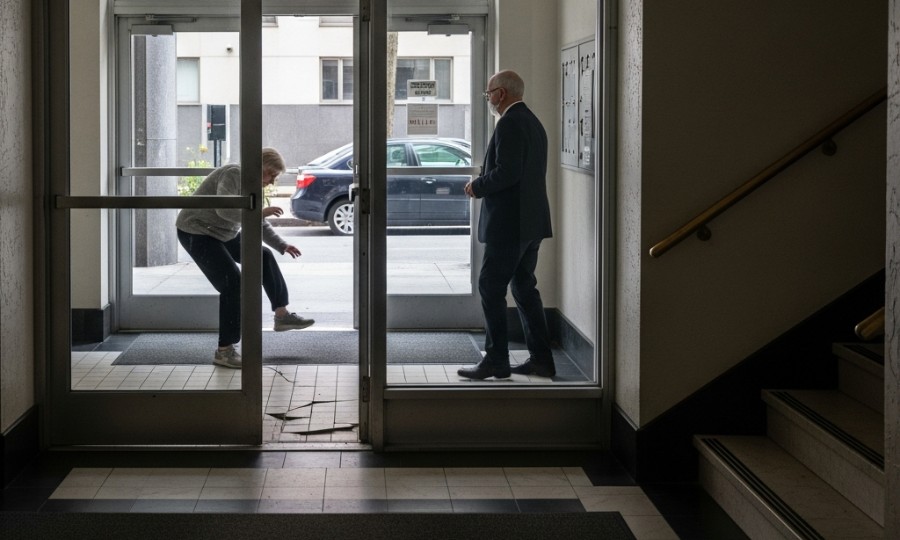
Have you ever stumbled on a broken sidewalk or slipped on an unmarked wet floor in a bustling New York City establishment? It’s jarring, often painful, and can leave you wondering not only what just happened, but also, critically, who might be responsible. We’ve all been there, or know someone who has, and the aftermath can be more complicated than just a bruised ego or a scraped knee.
Here’s the thing: when you’re injured on someone else’s property due to a hazardous condition, it’s not always just ‘bad luck.’ New York law, like many states, has specific rules about property owner accountability, often referred to as premises liability. It’s a legal concept that says property owners have a duty to keep their premises reasonably safe for visitors. Sounds straightforward, right? In reality, navigating these waters in a complex city like NYC can be anything but.
What Exactly is Premises Liability in New York City?
At its core, premises liability holds property owners responsible for injuries that occur on their property due to unsafe conditions they knew about, or should have known about, and failed to fix. This isn’t just about a simple slip; it encompasses a wide range of accidents caused by negligence. Think about it: every day, we walk into countless businesses, apartment buildings, and public spaces, trusting that the owners have taken reasonable steps to ensure our safety.
In New York City, NYC law imposes maintenance duties on building and dwelling owners, but the scope of duties varies by property type and the city’s liability for public sidewalks and parks is governed by separate rules. Their responsibility is to exercise ‘reasonable care’ to prevent foreseeable dangers. What does that mean? It means they can’t just ignore a gaping pothole in their parking lot or a constantly dripping leak that creates a slick spot near their entrance. They have a duty to inspect, maintain, and repair, or at the very least, warn visitors about potential hazards.
For example, imagine you’re shopping at a large supermarket in Queens. A jar of pickles breaks, spilling liquid and glass onto the aisle. If a store employee sees it, or an adequate inspection schedule would have revealed it, and they don’t clean it up or put up a warning sign within a reasonable timeframe, and you slip and fall, that’s likely a case of premises liability. They failed in their duty of care.
Identifying Negligence: When a Property Owner Falls Short
Understanding negligence is key to any premises liability claim. It’s not enough that you fell; you have to show that the property owner’s actions (or inactions) directly led to your injury. So, what does ‘negligence’ truly mean in the eyes of the law?
Generally speaking, negligence can occur when a property owner:
- Created the dangerous condition: Perhaps a landlord left tools on a stairwell, causing a trip hazard.
- Knew about the dangerous condition but failed to fix it: A classic example is a restaurant manager being aware of a persistent leak from the ceiling that makes the floor slippery but doing nothing to address it or warn patrons.
- Should have known about the dangerous condition: This is where ‘reasonable care’ comes in. If a property owner has a responsibility to regularly inspect their premises (and most do), they should discover hazards like uneven pavement, broken steps, or inadequate lighting in common areas. Failing to do so can be negligence.
Let’s consider a practical example. Say you live in an apartment building in Manhattan, and for weeks, the light in the common stairwell has been flickering, sometimes going out entirely. You and other tenants have reported it to the landlord. One evening, the light is completely out, and you miss a step, suffering a sprained ankle. In this scenario, the landlord was notified, had ample time to fix it, and failed to, creating a dangerous condition. This could be a clear case of negligence.
Your Path Forward: What to Do After a Fall
We know this feels overwhelming, especially when you’re in pain and trying to process what happened. But if you’ve been injured due to what you suspect is a property owner’s negligence, there are crucial steps you should take to protect your health and any potential legal claim.
- Seek Medical Attention Immediately: Your health is paramount. Even if you think it’s ‘just a bruise,’ some injuries, like concussions or soft tissue damage, might not be immediately apparent. A medical professional can properly diagnose and document your injuries.
- Document the Scene: If possible and safe, take photos or videos of the exact hazard that caused your fall. Get multiple angles, wide shots showing the surrounding area, and close-ups of the specific defect (e.g., a loose tile, a wet spot, poor lighting). This evidence can be invaluable, as conditions often get cleaned up or repaired quickly after an incident.
- Report the Incident: Inform the property owner, manager, or an employee about your fall. Ask for an incident report and get a copy if they create one. Be factual, but don’t admit fault.
- Gather Witness Information: Did anyone see you fall? Get their names and contact information. Independent witnesses can corroborate your account.
- Consult with a Legal Professional: The truth is, navigating premises liability in NYC can be complex, involving strict deadlines and specific legal requirements. An experienced personal injury attorney can assess your case, explain your rights, and help you understand the compensation you might be entitled to for medical bills, lost wages, and pain and suffering. Don’t try to go it alone against insurance companies or property owners who have legal teams on their side.
Common Misconceptions About Premises Liability Claims
You might be thinking this won’t work because you’ve heard certain things, or you’re worried about the process. Let’s address some common misconceptions that often prevent people from pursuing valid claims:
- “It was my fault for not looking where I was going.” In New York, even if you were partially at fault for your fall, you may still be able to recover damages. Your compensation could be reduced by your percentage of fault. So, isn’t it true that if you weren’t looking, it’s all on you? Not necessarily, if the hazard shouldn’t have been there in the first place.
- “I didn’t break anything, so it’s not a big deal.” Many serious injuries, like herniated discs, torn ligaments, or concussions, aren’t immediately visible or don’t involve broken bones. These can lead to chronic pain, extensive therapy, and significant medical expenses. Don’t underestimate the impact of your injury based on initial appearance.
- “I can’t afford a lawyer.” Most personal injury attorneys, especially in premises liability cases, work on a contingency fee basis. This means you don’t pay any upfront fees, and they only get paid if they win your case. This allows everyone, regardless of their financial situation, to access legal representation.
The goal isn’t to blame, but to ensure accountability and help you recover from an unexpected and often preventable injury. Property owners have a legal and ethical responsibility to maintain safe environments. When they fail, and you get hurt, you shouldn’t have to bear the burden alone.
Conclusion: Don’t Let Uncertainty Hold You Back
An unexpected fall in NYC can be more than just a momentary embarrassment; it can lead to lasting pain, financial strain, and a sense of injustice. Understanding premises liability and property owner accountability is your first step towards protecting your rights and securing the compensation you deserve. You’ve been through enough; don’t let uncertainty prevent you from seeking justice. Ready to understand your options? Consulting with a knowledgeable legal professional who understands the nuances of New York City law can make all the difference. They can help you piece together the facts, navigate the legal complexities, and advocate on your behalf, allowing you to focus on your recovery.
Free Case Consultation
Injured in an accident? Contact Rosenberg, Minc, Falkoff & Wolff for a free and confidential case review with an experienced NYC personal injury attorney.