
How to Prove That The At-Fault Driver Was Speeding

Accidents caused by excessive speeding can be of various types. Few of the more common ones are: Speeding: Each year, there are more than 30,000 car accidents that result in fatalities. Excessive speed is the chief cause in at least a third of them. Drivers that disregard established speed limits place everyone around them at […]
How to Prove Your Injuries Occurred Due To a Road Defect and Who is Liable?

Road defects directly or indirectly cause more traffic deaths than other conditions, according to the experts. Problems like speeding, not wearing a seatbelt, and driving under the influence, therefore, all contribute less to the death toll than the fatalities occurring from road defects. Some of the common road defects that can contribute to less than […]
Proving Drunk Driving will Strengthen Your New York Personal Injury Lawsuit
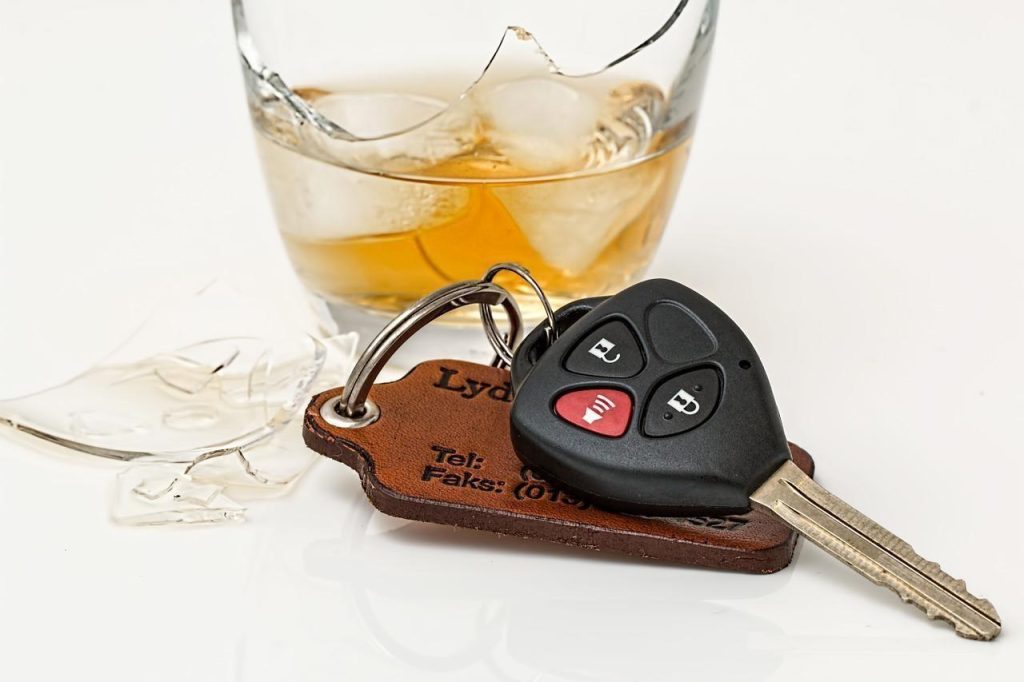
When you are on the road, you want to take the best possible precautions to keep yourself and others safe. But accidents still do happen, and road safety is not always in your own hands. How other people behave on the road also factors into your safety. Some careless drivers on the road may not think twice before putting another in danger. This particularly includes individuals who think drinking and driving is acceptable. A driver operating a car under the influence of alcohol isn’t just dangerous, it is also illegal. Alcohol content in the blood can alter motor skills and cognitive abilities of a person. It is possible that a drunk driver may react more slowly and differently that could result in an accident. This is a clear example of negligence and one that can be avoided. The New York City drunk driving injury attorneys at Rosenberg, Minc, Falkoff & Wolff, LLP are dedicated to helping victims seek the compensation they deserve so as to cover their damages from an accident.
How to Prove Your Case for Personal Injury Damages in a New York Car Accident?

One of the most common causes for serious personal injuries and deaths in the United States is motor vehicle accidents. Unfortunately, automobile accidents are still quite common and rampant despite the significant improvements in safety of cars and advancements made in automotive technology. In fact, vehicle accident lawsuits and claims are among the most common civil tort cases filed by lawyers today. However, it’s crucial to understand that every vehicle crash does not warrant litigation. No-fault laws of New York come into force when injuries sustained are not considered serious or there are no injuries at all. These laws are responsible for governing injury claims and restricting recovery. In addition, serious injuries as a result of car accidents tend to have better chances of obtaining successful recoveries. Car accidents are that class of tort cases, which in most part, are derived from the basic tort principles amounting to negligence. In general, negligence is a term used to describe the lack of ordinary care. It can be better explained as the failure to use a degree of reasonable care which any prudent person would exercise in similar circumstances. Negligence may constitute the failure to perform an act that any other reasonably prudent person would do under similar circumstances. It may also occur from doing an act that any other prudent person would refrain from doing under similar circumstances.
Don’t Ignore Distracted Driving if a Negligent Car Driver Injured You in New York

Distracted car drivers cause over a thousand injuries each day on an average in the United States. There have been approximately 400,000 instances of distracted driving per year since 2015 that have resulted in injuries. The National Highway Traffic Safety Administration released a report, according to which 20% of all car accidents are the direct result of distracted driving. Distracted driving involves all actions that take away a car driver’s attention from the road. These drivers significantly increase the risk of car accidents and injuries while focusing on non-driving activities.
Statistics Regarding Distracted Driving
Distracted driving has been around ever since automobiles have been on the roads. Drivers have always felt tempted to adopt novel ways of combating the sheer boredom or monotony associated with driving. Complacency can easily set in when any length of time is spent sitting in the driver’s seat. The danger begins when people grow increasingly comfortable on the driver’s seat. This is when they tend to succumb to diversions. But, distracted or negligent driving is not acceptable as a cure for road boredom. These are a few shocking figures regarding distracted driving in the United States:
Coronavirus 2019 aka COVID-19 – An Informative Guide
If you have been following the buzz around world news, then you are sure to have heard of the Coronavirus outbreak of 2020. In fact, discussions on this dreaded virus (aptly nicknamed by some as the “demon virus”) have taken the center-stage all across the globe.
While the danger of this highly contagious virus becoming a pandemic (a global epidemic) is real, the situation can improve with proper awareness and by taking the right precautions.
Staten Island University Hospital Doctor’s Failure to Diagnose Causes Man to Commit Suicide
In 2012, a 48-year older man named Richard Shouldis informed his doctor that he was experiencing worsening symptoms of panic attacks, depression, fatigue, excessive worry, difficulty concentrating, and weight loss.
Richard was already taking several medications for anxiety, depression, and sleep disturbances, yet his doctor failed to recognize that his depressive and self-destructive state was getting progressively worse. In fact, Richard’s family revealed that he was so agitated and disturbed in the week leading up to his suicide that his doctor should have immediately sent him to a psychiatrist or the hospital.
Wyckoff Heights Medical Center Patient Awarded $1.2 Million for Doctor Error
In 2011, Sonia Natera checked into the Wyckoff Heights Medical Center due to severe abdominal pain. This pain was so severe that Sonia couldn’t even lie down and walked to and from an examination room while in the company of a second-year resident. It was expected that Sonia was suffering from an ectopic pregnancy, and when she complained of dizziness, the residence left to find a more senior doctor for assistance. It was during this time that Sonia lost consciousness and fell.
Sonia sustained serious injuries as a result of her fall and had to undergo neck and elbow surgery, the cost of which caused her to pursue a medical malpractice lawsuit. According to her medical malpractice attorney, the hospital departed from good and accepted medical practice by allowing Sonia to walk, and then leaving her standing up unattended after that.
NASCAR Champion Pete Hamilton Suffered Surgical Error
In December of 2014, the famous NASCAR Champion Pete Hamilton sustained a three-part fracture to his left humerus just below his shoulder joint. Hamilton sustained the injury while on a holiday visit to Georgia, where he slipped and fell.
Hamilton rushed to the Gwinnett Medical Center, where the on-call emergency room trauma surgeon booked him in for an internal shoulder procedure. Unfortunately, Hamilton was in extreme pain when he woke up after the surgery, but the Georgian trauma surgeon assured him that everything was fine.
Hospital Negligence Killed Bee Gee’s Frontman Maurice Gibb
In 2003, Bee Gee’s frontman Maurice Gibb died at Mount Sinai Hospital from health complications that were causing him stomach pain. He had been in the hospital for three days and was scheduled to have an in-depth examination the following day. Sadly, his intestine burst and flooded his body with toxins that caused him to go into cardiac arrest and resulted in his death.
Following his death, Gibb’s brothers consulted with medical malpractice lawyers to file a medical malpractice lawsuit to take action against the hospital for hospital negligence. It was their belief that doctors did not detect that Gibb had a twisted bowel, which was further complicated by his admission into the VIP ward on the eighth floor, as opposed to the third floor where the hospital’s emergency equipment was housed.