
Rise in Construction Accidents in NYC

Construction activities have officially become the leading cause of accidental deaths in New York City, according to CBS Local. Given that NYC is the most populous city in the US, and the population continues to increase, the city’s construction sector is a booming industry.
Parents of Portland Man Who Died in Apt. Fire File Suit Wrongful Death

The parents of an Oregon man who died of burn injury after a fire in his apartment in Northeast Portland have taken legal action against the building owner Firestarter and the accused assailant Ryan Thomas Monaco. Batool Alhaji and Ali Alhaji, the parents of the victim Taher Ali Alhaji, have filed a $6 million wrongful death lawsuit against Firestarter and Ryan Thomas Monaco, according to a report.
Maryland Woman Won the Largest Medical Malpractice Verdict in History
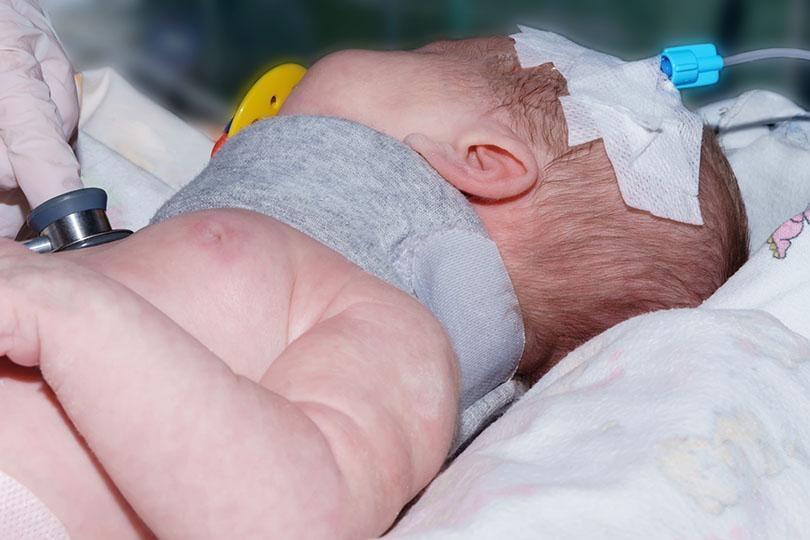
A woman in Prince George’s County, Maryland, won the largest medical malpractice verdict in US history when a Baltimore judge awarded her $205 million in July 2019.
Erica Byrom sued the John Hopkins Bayview Medical Centre after complications during the birth of her daughter, which resulted in a serious brain injury to the now 5-year-old girl. The jury awarded her $229 million, but state cap reduced the awarded amount to $205 million soon after.
NYC Woman Sues Nursing Home After Death of Dad From COVID-19

A woman in New York City has filed a lawsuit against a nursing home for nursing negligence that allegedly led to the death of her dad, who was suffering from Covid-19, according to NY Post.
What Are The Causes and Risks Involved in New York Pedestrian Accidents?
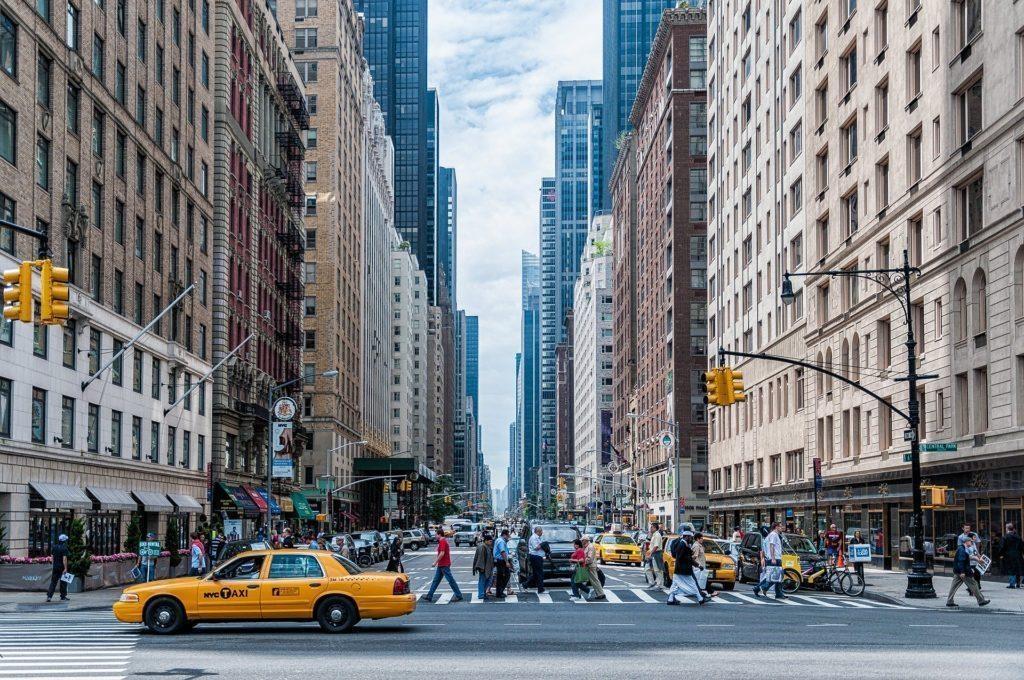
According to a survey conducted by the New York Department of Transportation, more than one-fifth of all pedestrian accidents in the state involve large commercial vehicles, buses, delivery trucks, and taxis. The survey also showed that nearly one-third of all accidents occur due to the vehicle driven by distracted drivers. The rate of fatalities in pedestrian accidents is also significantly higher in New York compared to other types of automobile crashes.
Causes of Pedestrian Accidents in New York
Pedestrian accidents may occur for a number of reasons. However, as per the reported data and studies conducted over the years, the majority of these accidents occur due to driver’s negligence. At times, pedestrians are also injured by vehicles in acts of intentional violence. Let us delve deeper into the primary causes of pedestrian accidents in New York City.
Distracted Driving
The use of smartphones and other portable handheld devices while driving contributes to a majority of pedestrian accidents, and it has been getting worse in recent years. In a dense cosmopolitan city like NYC, distracted driving can be more damaging and can quickly lead to a crash. It is not surprising that one-third of all pedestrian accidents in NYC occur due to distracted driving.
NYC Pedestrian Accidents: Frequently Asked Questions

Pedestrian accidents are a common sight on the roadways of New York City. Data from the Department of Transportation (DOT) shows that every year, at least 100 pedestrians are killed and thousands are injured in accidents involving motor vehicles and pedestrians.
In this article, we have answered the most commonly asked questions regarding pedestrian accidents in NYC.
You Are at a Higher Risk of Car Accidents in Winter Weather
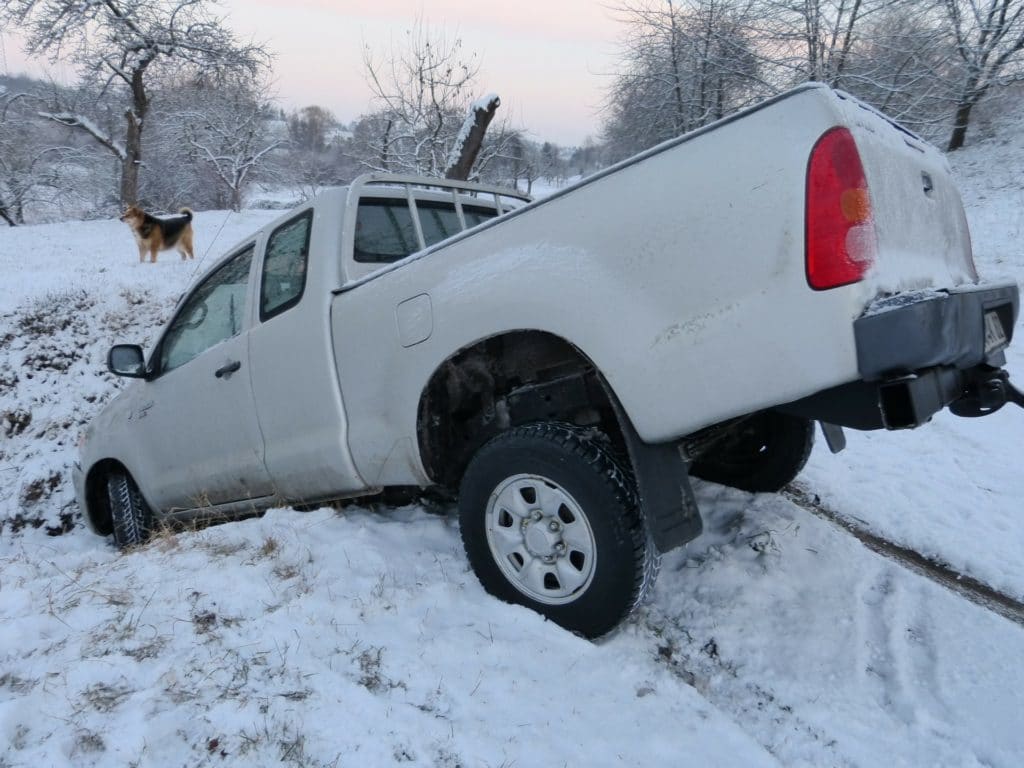
Snowfall, poor visibility, extremely low temperatures, and shorter days are the common characteristics of winter in New York. These conditions can be dangerous for drivers and play their part in an increasing number of car accidents during the season.
Drivers must exercise caution while driving during winter as accidents related to snow are fairly common. According to the National Safety Council, the winter weather is responsible for roughly 300,000 accident injuries every year, along with more than 1,500 deaths.
Unfortunately, many streets and areas across New York are particularly well-known for their dangers in winter weather. While snow, ice, and hail can make conditions significantly worse for drivers and pedestrians alike, the shorter days and colder temperatures also play a significant part in the accidents that occur during this time.
If you or someone you care about has been critically injured in a winter car accident, there might be grounds for you to raise a claim with the assistance of a New York winter weather car accident lawyer.
Why Do So Many Pedestrian Deaths Occur in New York?

New York City is generally considered the most walkable city in the country. No other city in the country boasts of so many walkable urban spaces as NYC does. Data from the US Census shows that over 60% of NYC residents walk or take transit to work, rather than relying on a personal vehicle.
Unfortunately, NYC also happens to be a city where a large number of pedestrian accidents take place every year. In 2018, 114 pedestrians were killed in traffic accidents, accounting for 57% of all traffic-related fatalities in the city.
Data from the National Highway Traffic Safety Administration (NHTSA) shows that the pedestrian fatality rate in NYC is higher than that of any other city in the country. This is one of the reasons why NYC came up with Vision Zero – a policy which aims to eliminate traffic fatalities altogether.
The Vision Zero policy was implemented in NYC back in 2014. While some progress has been made, pedestrians still continue to bear the brunt of traffic accidents in most cases.
Who Is At Fault In a Pedestrian Accident In New York?
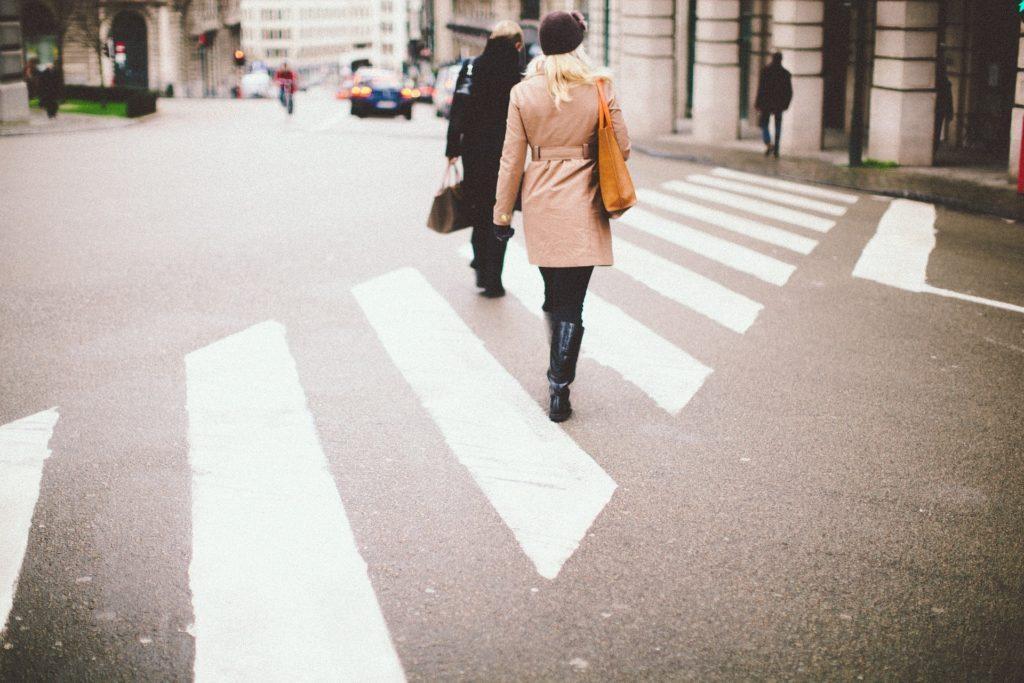
New York City is known for its pedestrian-friendly infrastructure. Data from the US Census Bureau shows that nearly 10% of NYC residents walk to work every day. Unfortunately, the city’s heavy pedestrian traffic increases the risk of motor vehicle – pedestrian collisions considerably.
Every year, hundreds of pedestrians are killed, and thousands are injured in motor vehicle crashes in NYC. Data from the National Highway Traffic Safety Administration (NHTSA) shows that pedestrians account for 48% of all traffic-related fatalities in the city.
Determining Fault in Pedestrian Accidents in New York
What You Should Know About Teen Car Accidents And Injuries

Teenage drivers are involved in many car accidents in New York. These accidents may result from lack of experience, following other drivers too closely, failing to yield the right-of-way, failing to pay attention to the road, unsafe driving, and speeding.
Moreover, failure to properly use seatbelts causes serious injury or death for many teenage drivers. This is in spite of the law that mandates proper use of seatbelts while riding in a vehicle with a junior licensed driver.
The rate of teen car accidents is higher than that of any other age group according to the Centers for Disease Control and Prevention. Drivers between 16 and 19 years of age are at fault more frequently than older drivers with more experience. Teenagers might have less regard for the risk associated with a particular driver behavior or underestimate how long it takes to complete the maneuver.
They are also more likely to drive over speed limits and be distracted by conversations or texts. There is a higher chance that teenage drivers would disregard dangerous road conditions or fail to deal with them properly. The New York State Graduated Driver Licensing Law restricts unsupervised night driving for junior permit holders and junior licensed drivers.